U.S. Job Growth Slows in June Amid High Inflation

The U.S. labor market experienced a notable slowdown in June, adding only 57,000 jobs, a sharp decline from the 172,000 jobs added in May. This disappointing figure contrasts with the robust average of approximately 114,000 jobs added monthly from January to May, as reported by the Bureau of Labor Statistics (BLS). Despite the slowdown, the unemployment rate decreased slightly from 4.3% in May to 4.2% in June, remaining low by historical standards.
The professional and business services sector led job gains with an addition of 36,000 positions, while the healthcare sector also contributed significantly, albeit at a slower growth rate. The labor market had previously shown resilience despite rising costs for businesses and consumers, but the recent figures indicate a wobbly labor market amid persistent inflation.
Market Reading & Resources
Sponsor funding complete. Trade on.
Inflation currently stands at 4.2%, more than double the Federal Reserve's target rate of 2%. This elevated inflation, combined with a slowing job market, has increased speculation about potential interest rate hikes. Futures markets indicate a 64% chance of an interest rate increase in September, according to the CME Group's FedWatch Tool.
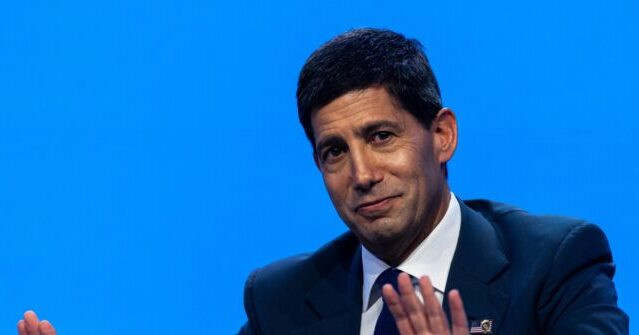
Federal Reserve Chair Kevin Warsh recently emphasized the importance of addressing inflation, stating, "Persistently high prices are a burden for the American people. This committee will deliver price stability." His remarks briefly affected stock markets, highlighting the delicate balance the Fed must maintain between fostering job growth and controlling inflation.
The geopolitical situation in the Middle East, particularly the conflict that began on February 28, has contributed to the inflationary pressures, notably through disruptions in oil supply. However, recent negotiations between the U.S. and Iran have led to a decrease in oil and gasoline prices, raising hopes for a potential easing of inflation without the need for rate increases.
In a broader discussion about the economy, Warsh also addressed the potential impact of artificial intelligence on job creation and productivity. He suggested that advancements in technology could lead to greater job opportunities and economic prosperity, marking a significant shift in economic policy and outlook.