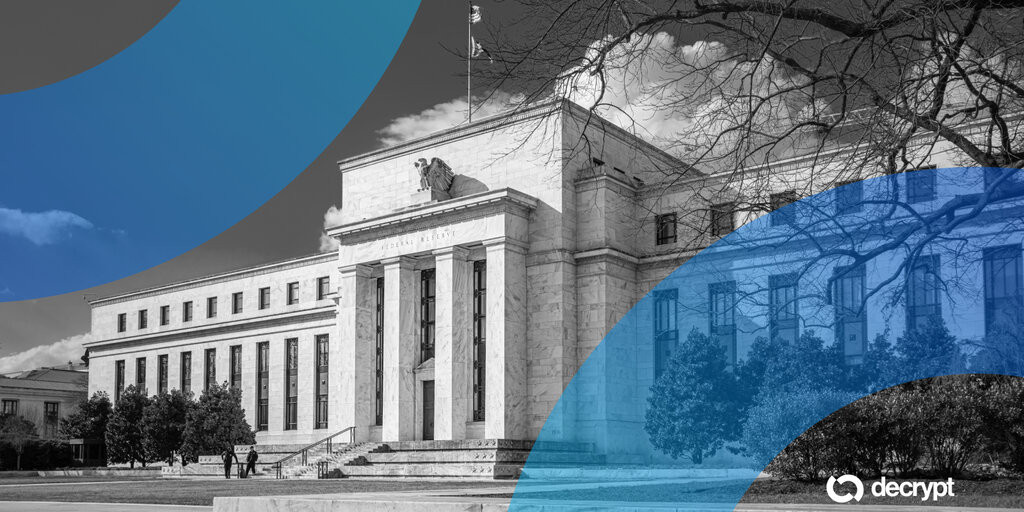
Fed Chairman Kevin Warsh Highlights AI's Economic Potential
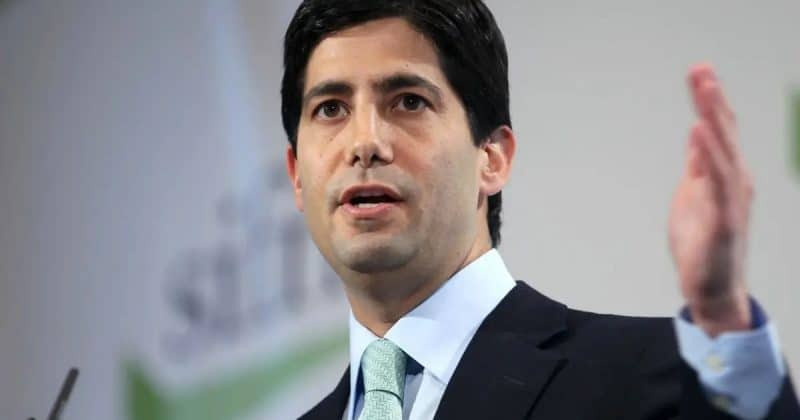
Kevin Warsh, the newly appointed Federal Reserve Chairman, is optimistic about the potential of artificial intelligence (AI) to significantly reshape the U.S. economy. Sworn in on May 22, 2026, after being nominated by President Donald Trump, Warsh has been vocal about AI's ability to enhance productivity, expand supply, and create jobs without the inflationary consequences that often accompany economic booms.
At the ECB Forum on July 1, Warsh referred to the AI revolution as a 'paradigm shift,' suggesting that the U.S. stands to be a major beneficiary of productivity gains. He indicated that we are currently in the 'first or second inning' of this transformative process. Warsh argues that AI acts as a 'significant disinflationary force,' pointing to the surge in capital expenditures in the U.S. economy as evidence of genuine progress rather than mere hype from Silicon Valley. He characterized the substantial investments in AI infrastructure as a 'good problem' to have, especially when compared to previous periods that focused more on financial engineering than on productive investment.
Market Reading & Resources
Sponsor funding complete. Trade on.
Despite his positive outlook on AI, Warsh has been cautious about offering specific guidance on future interest rate policies. He has hinted at the possibility of establishing new task forces or conducting model reviews to better understand the interplay between productivity advancements and inflation dynamics related to AI. This comes at a time when inflation remains stubbornly above the Fed's 2% target, adding complexity to the economic landscape.
Warsh's previous experience as a Fed Governor from 2006 to 2011, during the global financial crisis, informs his current perspective as he navigates the challenges and opportunities presented by AI in the economy.