Manufacturing Employment Shows Strength Amid Disappointing July Jobs Report
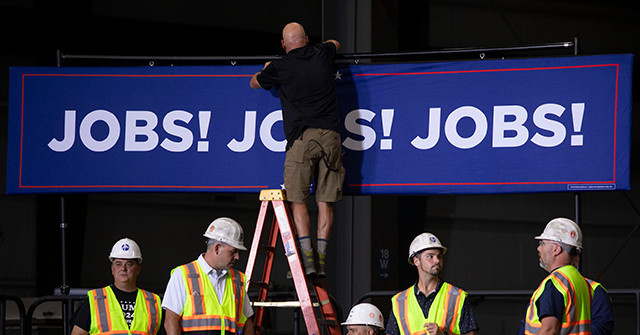
The July jobs report has drawn attention for its disappointing figures, showing a loss of 23,000 jobs, which was significantly below the anticipated gain of nearly 90,000. This report comes at a critical time, just months ahead of midterm elections, and presents a challenging narrative for the current administration. However, beneath this headline loss lies a more positive story regarding durable goods manufacturing, which added 18,000 jobs in July, following upward revisions of previous months' figures.
The durable goods manufacturing sector has seen a notable turnaround, reversing a trend of declining employment that persisted from December 2023 to December 2025. Since then, employment levels in this sector have increased consistently, marking a significant recovery. The Labor Department's recent data indicates that manufacturing output rose at an annual rate of 4.6 percent in the second quarter, with productivity also on the rise.
Market Reading & Resources
Sponsor funding complete. Trade on.
In addition to job growth, the report highlights an increase in hours worked and productivity within the manufacturing sector, with durable goods output rising at a remarkable 7.3 percent annual rate. This simultaneous growth in output, hours, and productivity is a rare occurrence, suggesting a robust recovery in manufacturing.
While the overall jobs report may paint a bleak picture, the strength in manufacturing employment and productivity offers a counter-narrative. However, the report also raises concerns about labor force participation among Black mothers, particularly those aged 25-54 with young children. Recent analysis indicates a significant decline in their participation in the workforce, which has dropped 11.5 percentage points in just three months, reaching its lowest level in over three decades.
This decline has sparked discussions about economic dependency and the implications of married mothers relying on their partners' incomes. The data suggests that while participation among married, college-educated Black mothers has decreased, their never-married counterparts have seen an increase in workforce participation. This trend raises questions about the evolving dynamics of family income reliance and the broader implications for economic policy and workforce development.
As the economy continues to navigate these challenges, the contrasting trends in manufacturing strength and labor participation highlight the complexities of the current economic landscape. The resilience of the manufacturing sector may provide a foundation for recovery, but addressing the participation decline among specific demographics will be crucial for a more inclusive economic recovery.