Jared Bernstein Critiques Low US Unemployment Rate Amid Job Losses
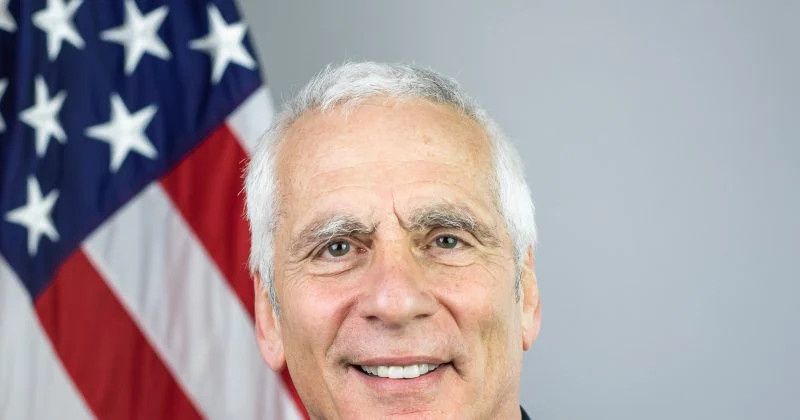
Jared Bernstein, the former chair of the White House Council of Economic Advisers, has expressed serious concerns regarding the implications of the 4.1% unemployment rate in the United States. He argues that this figure provides a misleading sense of security, as it does not reflect the underlying issues in the labor market. In July 2026, the economy lost 23,000 jobs, yet the unemployment rate decreased. Bernstein explains that this drop is not due to an increase in employment but rather a decline in the number of people actively seeking work.
The July employment report revealed that the nonfarm payrolls figure fell significantly short of expectations, with a notable loss of 50,000 jobs in local government education roles contributing to the overall decline. Additionally, prior months saw cumulative downward revisions totaling 103,000 jobs, resulting in a three-month average job gain of only 20,000 per month. Economists typically consider that around 100,000 new jobs per month are necessary to keep pace with population growth and maintain stable unemployment levels.
Market Reading & Resources
Sponsor funding complete. Trade on.
Bernstein's analysis highlights a troubling trend: both employment and labor force participation have decreased simultaneously. When individuals stop looking for jobs, they are no longer counted in the unemployment statistics, which artificially lowers the rate. Over the past year, labor force participation has dropped by 0.8 percentage points.
He describes the current labor market as being in a "low-hire, low-fire" equilibrium, where companies are not conducting mass layoffs, which keeps the unemployment rate low. However, this stagnation also means that businesses are not hiring, leading to muted wage pressure and weak job creation. Private-sector job growth has remained essentially flat over the past year, with private wage growth slowing to 3.2% year-over-year, the lowest rate since the pandemic began. Bernstein's insights underscore the need for a more nuanced understanding of the labor market and the potential risks of complacency regarding economic policy.