US Stocks Rise as July Payrolls Data Reduces Rate Hike Expectations
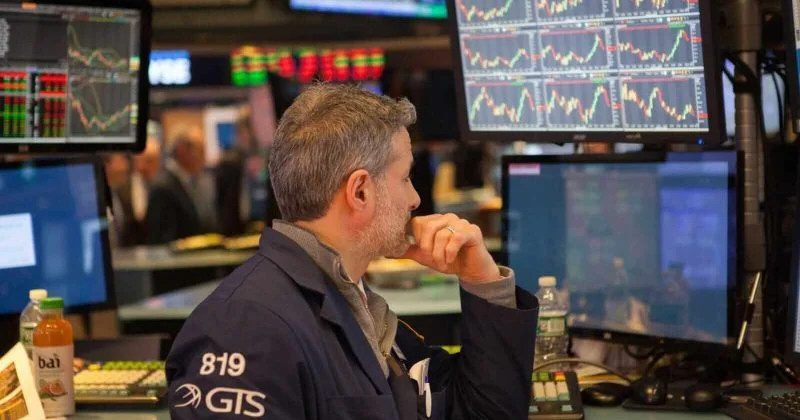
On Thursday morning, Wall Street reacted positively to unexpected news from the US labor market. July's nonfarm payrolls showed a decrease of 23,000 jobs, a stark contrast to economists' predictions of an increase between 80,000 and 95,000. Following this announcement, S&P 500 futures rose approximately 0.53%, while Nasdaq 100 futures surged by 1.16%, and Dow E-minis increased by 0.31%. This trend highlights a well-established market principle: negative news for employment can translate into positive outcomes for stocks, as weaker labor data diminishes the likelihood of the Federal Reserve continuing its tightening of monetary policy.
The payroll figures were particularly striking, especially with revisions indicating that June's initial job addition of 57,000 was adjusted down to just 20,000. This suggests that the labor market may be cooling more rapidly than previously understood. Interestingly, the unemployment rate fell slightly from 4.2% in June to 4.1% in July. This decline, however, can be misleading, as it is partly due to a decrease in the labor force participation rate, meaning fewer individuals are actively seeking employment. Economists refer to this situation as a "slow hire, slow fire" dynamic, where companies are neither aggressively hiring nor laying off workers.
Market Reading & Resources
Sponsor funding complete. Trade on.
This report marks the first negative payroll reading in recent months, adding significance to the findings. Currently, the Federal Reserve's policy rate is set between 3.50% and 3.75%. Prior to this report, market sentiment was already mixed regarding the Fed's next steps, especially following dissent from three officials at the last meeting who favored a rate hike, indicating internal disagreements about the appropriate monetary policy direction.
The performance of tech stocks, particularly the Nasdaq's rise compared to the Dow, underscores the sensitivity of these sectors to interest rate changes. Since much of the valuation of tech companies is based on future earnings, lower interest rates enhance the present value of those earnings. The notable difference in futures movements—1.16% for the Nasdaq 100 versus 0.31% for the Dow—illustrates this relationship.
Federal Reserve Chair Jerome Powell has consistently stated that policy decisions will be guided by data. The unexpected decline in payrolls, against a backdrop of anticipated job growth, complicates the case for further rate hikes. The dissenting opinions within the Fed will likely face increased challenges in advocating for a rate increase in light of this labor market data, which does not suggest an urgent inflationary environment. The uncertainty surrounding the Fed's future actions remains, reflecting the complexities of the current economic landscape.