Debate Erupts Over $20 Burritos Amid Inflation Concerns
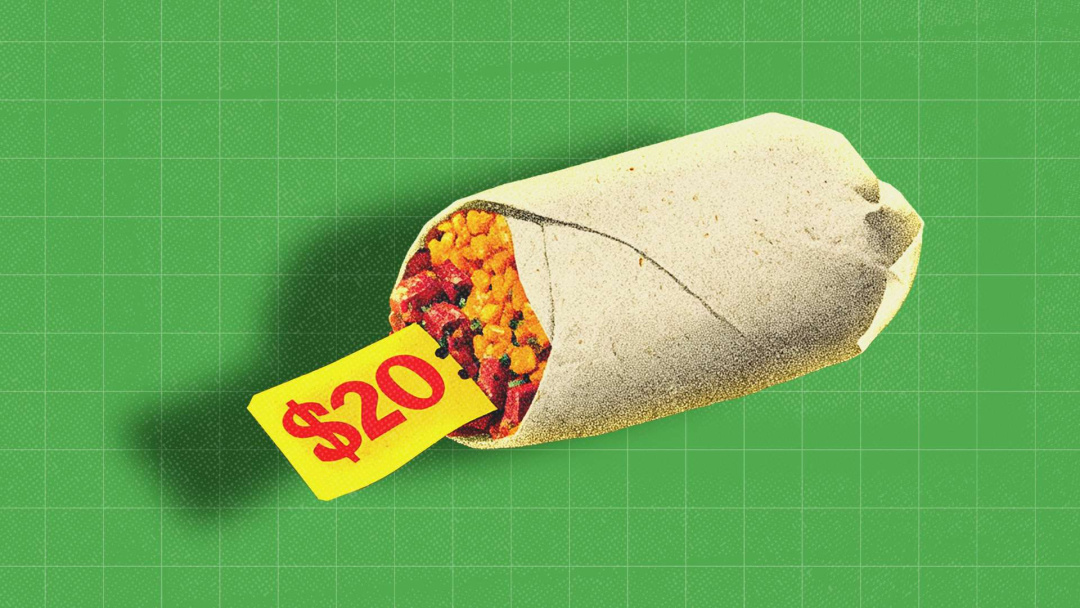
A recent tweet by Andrew Kolvet, a spokesman for Turning Point USA, has sparked a lively debate among conservatives about the rising cost of burritos and its implications for inflation. The tweet, which referenced a college student's frustration with grocery prices, resonated widely, prompting discussions about the economic factors at play. Kolvet's post highlighted a common sentiment that essential goods feel increasingly unaffordable, a sentiment echoed by many Americans in the wake of the COVID-19 pandemic and ongoing inflationary pressures.
Conservative commentator Ben Shapiro contributed to the discourse, criticizing the notion that high burrito prices are acceptable while advocating for policies that could lower costs, such as reducing tariffs and deregulating the food supply chain. In a related effort, the nonprofit Advancing American Freedom, founded by former Vice President Mike Pence, introduced a "Burrito Index" to illustrate the varying prices of burritos across different cities. For instance, a Chipotle steak burrito costs $14.10 in San Francisco and $13.50 in New York City, while it is priced at $11.35 in Des Moines and $11.50 in Salt Lake City.
Market Reading & Resources
Sponsor funding complete. Trade on.
Economist Ryan Bourne from the Cato Institute explained that the significant increase in burrito prices over the past six years is largely due to general inflation, which has risen by approximately 28 percent during that time. He noted that while inflation is a major factor, other elements such as tariffs, energy costs, and labor market conditions also contribute to the final price of food products. In California, for example, a comparison of menu prices at popular Mexican restaurants in San Diego revealed increases ranging from 19 percent to over 70 percent since 2020, with owners citing rising costs for labor and ingredients as key drivers.
The public's reaction to these price increases reflects a broader discomfort with inflation, as Bourne pointed out. Many people perceive the previous prices as fair and the new prices as unjust, leading to a sense of frustration. Politicians have also weighed in on the burrito debate, with figures like Rep. Dan Crenshaw advising individuals to be more resourceful and work harder to afford their meals. Washington Post columnist Marc Thiessen echoed this sentiment, suggesting that the high cost of delivery services contributes to inflated prices.
While it is true that cooking at home is generally more economical than dining out, Bourne cautioned that such arguments might distract policymakers from addressing the root causes of inflation. He suggested that if politicians genuinely want to make food more affordable, they could eliminate tariffs on food products and reconsider existing agricultural policies.
The viral discussion about burrito prices highlights a growing concern among Americans regarding the cost of living. As inflation continues to affect everyday expenses, the challenge for politicians will be to respond effectively to these concerns without alienating voters who are feeling the pinch in their wallets.