Federal Reserve 2025 Payments Study Highlights Dominance of Cards and ACH
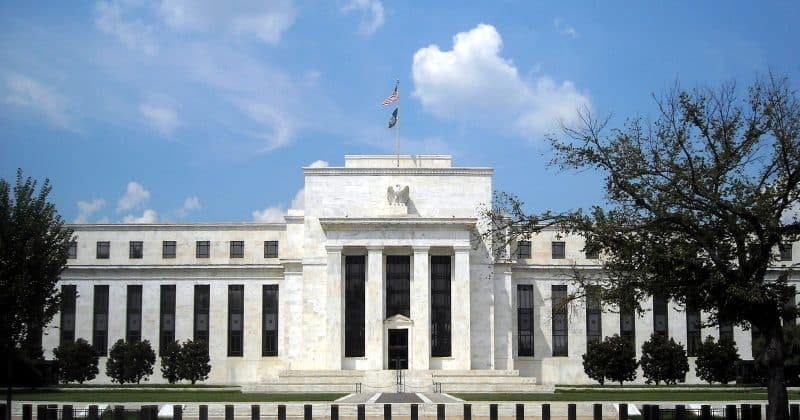
The Federal Reserve's 2025 triennial payments study, released on July 1, provides a detailed overview of noncash payment methods used by Americans in 2024. The study reports a staggering 236.6 billion noncash transactions, a figure that has tripled since 2000. Notably, the report highlights that cards accounted for over 75% of these transactions by volume, while Automated Clearing House (ACH) systems processed nearly 75% of total noncash payment value for the first time. However, the report does not reference cryptocurrencies, stablecoins, or blockchain-based payments at all.
Debit cards continue to hold a dominant position in the payments landscape, while credit card payments are experiencing a resurgence, growing faster than debit for the first time in nearly a decade. In contrast, checks and ATM cash withdrawals have seen a consistent decline in both transaction count and total value over recent years.
Market Reading & Resources
Sponsor funding complete. Trade on.
The ACH system, which facilitates direct deposits, bill payments, and bank-to-bank transfers, now accounts for nearly three-quarters of all noncash payment value in the U.S. This long-running dataset, tracking noncash payment trends since at least 2001, illustrates how money moves through the economy.
Despite the rise of stablecoins, which have surpassed a market capitalization of $300 billion, their actual usage in payment functions remains below 1%. Most stablecoin activity is tied to trading rather than everyday transactions such as grocery shopping or rent payments. The GENIUS Act, established in July 2025, aimed to create a regulatory framework for payment stablecoins, yet their adoption in practical payment scenarios remains minimal.
For investors assessing the payments landscape, the disparity between the narrative surrounding cryptocurrencies and their actual adoption is significant. Companies leveraging existing card and ACH infrastructures are operating within a market that processes 236.6 billion transactions annually, while stablecoin payment initiatives are vying for a minuscule share of activity that currently registers as negligible in the Federal Reserve's dataset.