Federal Reserve Balance Sheet Stabilizes at $6.7 Trillion
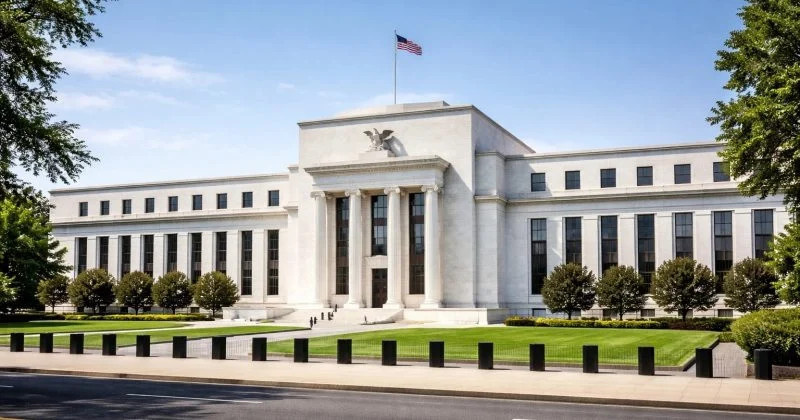
The Federal Reserve's total assets stood at $6.749 trillion as of August 5, reflecting a steady state since the central bank ceased its balance sheet reduction in December. The Fed's balance sheet had previously peaked at approximately $8.9 trillion in 2022, driven by extensive bond purchases during the pandemic. Following this, the Fed implemented quantitative tightening, allowing bonds to mature without reinvesting the proceeds, which reduced total assets to around $6.5 trillion by December 2025.
Since the end of quantitative tightening, the balance sheet has seen slight increases due to what the Fed refers to as "reserve management purchases," which are routine operations aimed at maintaining adequate bank reserves. Recent data from the Federal Reserve Economic Data (FRED) indicated total assets fluctuated between $6.738 trillion and $6.749 trillion in the weeks leading up to August 5.
Market Reading & Resources
Sponsor funding complete. Trade on.
The composition of the balance sheet reveals significant holdings, with approximately $4.2 trillion in Treasury securities and about $2.1 trillion in mortgage-backed securities. On the liabilities side, bank reserves are close to $2.9 trillion, while currency in circulation is around $2.4 trillion. The federal funds rate has remained stable at 3.50% to 3.75% since the Federal Open Market Committee (FOMC) meeting in July 2026.
In June, Fed Chair Kevin Warsh, who assumed office in 2026, initiated an independent task force to conduct a comprehensive review of the balance sheet. This review is particularly focused on the "ample-reserves" framework, questioning whether the current management strategy for the Fed's substantial holdings is appropriate moving forward. The task force is co-led by former Bank of England Governor Mervyn King and former Reserve Bank of India Governor Raghuram Rajan.
Historically, the expansion of the Fed's balance sheet from 2020 to 2022 saw Bitcoin's price surge from around $7,000 to nearly $69,000. Conversely, the onset of quantitative tightening led to a contraction in liquidity, resulting in a prolonged bear market for cryptocurrencies. The current stabilization of the balance sheet at $6.7 trillion aligns with a period of relative calm and recovery in digital asset prices.
The findings of the Warsh task force could have significant implications. Should the review recommend further reductions to the balance sheet or adjustments to the ample-reserves framework, it may signal a return to liquidity withdrawal. Alternatively, if the task force suggests maintaining or expanding the current strategy, it could alleviate potential downside risks for the markets.