Wage Growth Surpasses Inflation, Indicating Shift in Economic Landscape
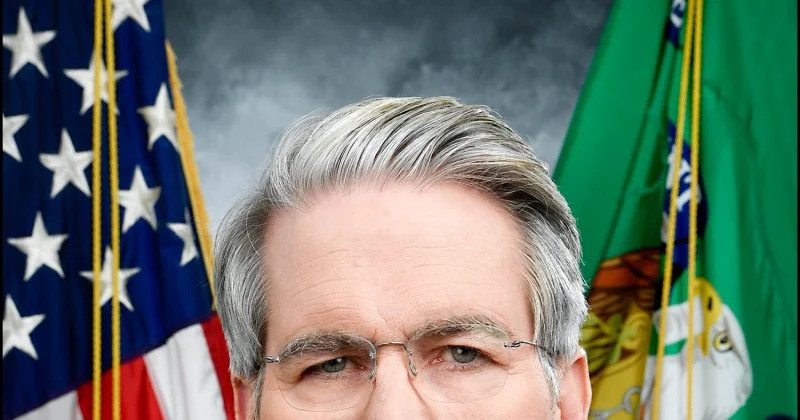
Treasury Secretary Scott Bessent has announced that wage growth is currently outpacing inflation, particularly for lower-income and blue-collar workers. According to Treasury data, workers in the bottom 25% of earners experienced a real wage gain of 2% based on metrics from 2025. Specifically, blue-collar workers saw a wage increase of 1.7% during the first five months of the current administration.
The Atlanta Fed Wage Growth Tracker indicates that as of June 2026, the lowest income quartile has seen wage growth of 3.6%, while the top income quartile reported a 12-month moving average of 3.9%. Average hourly earnings rose by 3.5% year-over-year through March 2026, translating to a real wage increase of 0.3% after adjusting for inflation.
Market Reading & Resources
Sponsor funding complete. Trade on.
Bessent utilized these figures to declare an end to the K-shaped economy, a term that describes a recovery where high earners advance significantly while lower-income workers struggle to keep pace. He noted that if wage growth continues, the Federal Reserve may have less motivation to implement rate cuts. Higher wages could contribute to services inflation, and historically, expectations of rate cuts have fueled risk assets such as Bitcoin and altcoins.
Confirmed as Treasury Secretary on January 28, 2025, Bessent has generally indicated a more favorable regulatory stance toward digital assets compared to his predecessor, Janet Yellen. He forecasts stronger economic performance and improvements in affordability through 2026. While a 0.3% increase in real wages is a positive sign, any modest rise in consumer prices could negate this gain. Factors such as geopolitical instability, supply chain issues, or spikes in energy prices could further elevate inflation.
The correlation between Bitcoin and liquidity conditions has been well-documented in previous cycles. A Federal Reserve that is cautious about wage-driven inflation is likely to maintain tighter monetary conditions for an extended period. Investors are advised to monitor real wage data alongside Federal Reserve commentary, as the interaction between these elements will likely influence whether 2026 will be characterized as a risk-on year or a more cautious one.