US Treasury Secretary Claims Wealth Gap is Closing Amid Inflation
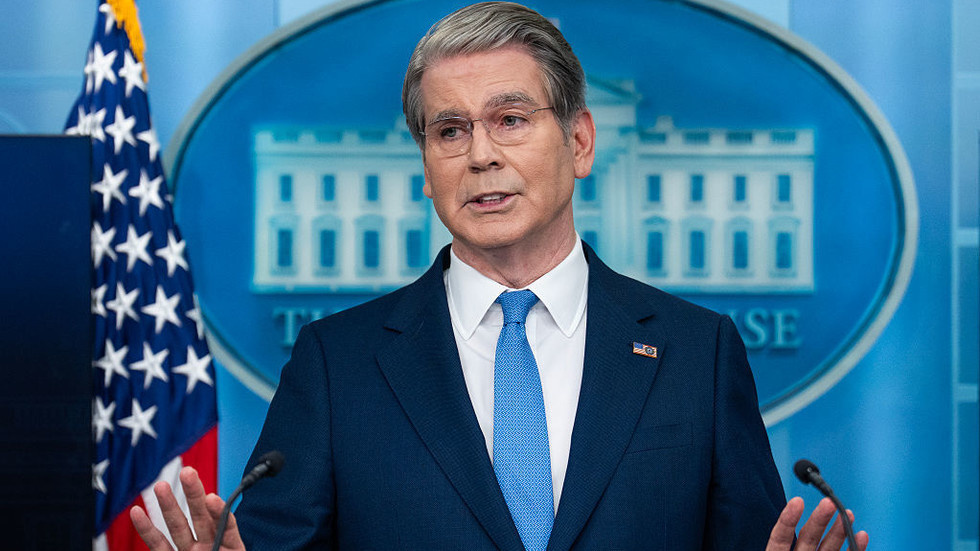
US Treasury Secretary Scott Bessent recently asserted that the economic divide between wealthier and lower-income Americans is narrowing, despite the persistent challenges of inflation and high living costs. In an interview with CNBC, Bessent dismissed the concept of a K-shaped economy, which describes a scenario where wealthier households thrive while lower-income groups struggle. He stated, "I got sick of hearing about this K-shaped economy. I can say here definitively, the K-shaped economy is over." Instead, he proposed that the country is transitioning to a C-shaped economy, where lower-paid workers are beginning to catch up. Bessent highlighted that the bottom 25% of workers have seen a 2% real wage gain, comparing this trend to wage growth during President Donald Trump’s first term. These comments come as the nation approaches the midterm elections, with inflation remaining a significant concern for voters. The Federal Reserve's preferred inflation measure continues to exceed its long-term target of 2%. Rising energy costs, exacerbated by geopolitical tensions such as the US-Israeli conflict with Iran, along with Trump's global tariffs, have contributed to increased consumer prices. A recent Marquette University Law School poll indicated that inflation and the cost of living are the top concerns for 35% of Americans. While Trump has pointed to record gains on Wall Street as evidence of a strengthening economy, critics argue that such gains do not reflect the financial realities for most Americans, as stock ownership is heavily concentrated among wealthier households. Moody’s Analytics reported that households earning over $200,000 accounted for nearly 60% of consumer spending in early 2026, with their spending growth outpacing inflation. In contrast, inflation-adjusted spending for the remaining 80% of earners remained largely unchanged. Recent data from the Federal Reserve Bank of Atlanta's Wage Growth Tracker showed positive wage growth this year, but did not indicate that earnings for the lowest-paid workers have surpassed those at the top of the income scale. Bessent also referenced tax measures from Trump's 'One Big Beautiful Bill Act', which include tax breaks on tips and overtime earnings, deductions for certain auto loan interest, and reduced taxes for some retirees. He argued that these measures would increasingly benefit American households over time. However, the Tax Policy Center estimates that nearly 60% of the tax benefits from this legislation will go to households earning approximately $217,000 or more annually, suggesting that the majority of the relief will favor higher-income Americans.
Market Reading & Resources
Sponsor funding complete. Trade on.