Federal Reserve Chair Warsh Advocates Market-Driven Monetary Policy
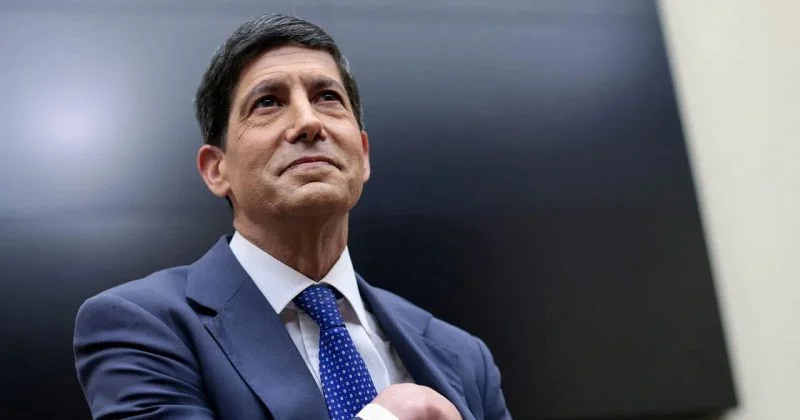
Kevin Warsh, who took office as Federal Reserve Chair on June 17, 2026, is implementing a notable shift in the Fed's monetary policy approach. Rather than relying on traditional interventionist tools, Warsh advocates for a system where financial markets serve as the primary indicators for policy decisions. At his inaugural FOMC meeting, he opted to keep the federal funds rate steady at 3.5-3.75%, but it was his communication style that garnered attention. Warsh delivered a significantly shortened policy statement, eliminating the complex language that has long characterized Fed communications.
Warsh has been forthright about inflation, labeling it an "unfair burden" and likening it to a tax that must be eradicated. His commitment to price stability is clear, as he avoids the usual caveats and soft landing rhetoric often employed by central bankers. In July 2026, he further advanced his philosophy by suggesting that markets should provide "unfiltered" signals without interference from the Fed. This perspective indicates a departure from micromanaging the financial system, allowing asset prices, Treasury yields, and currency movements to inform policymakers about economic conditions.
Market Reading & Resources
Sponsor funding complete. Trade on.
Prior to his appointment, Warsh disclosed equity stakes in over a dozen crypto-related organizations, including investments in prominent decentralized finance (DeFi) protocols and various blockchain networks. He has pledged to divest from these assets to avoid conflicts of interest. Warsh views Bitcoin as a significant asset for policymakers to understand, while downplaying its potential as a systemic threat to the Federal Reserve's authority. This marks a shift in tone from previous Fed leadership, which often expressed skepticism toward cryptocurrencies.
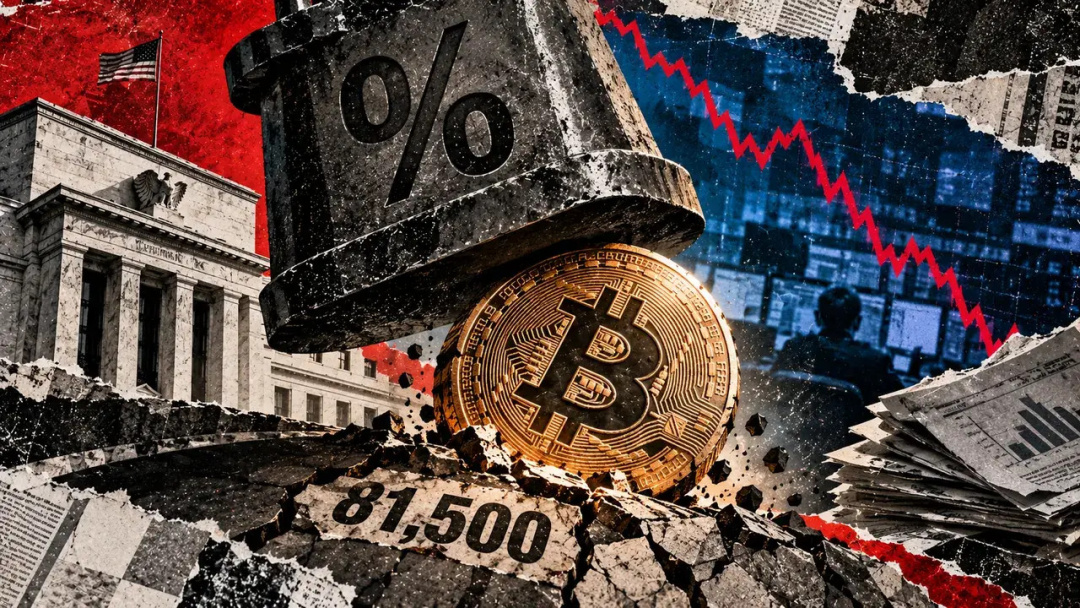
The initial reactions to Warsh's policy meetings have resulted in increased volatility among major digital assets. Traders are adjusting to a Federal Reserve that communicates differently and appears more comfortable with market fluctuations. The current federal funds rate of 3.5-3.75% is notably lower than the peak levels seen in recent tightening cycles. The key question remains whether Warsh will allow markets to operate freely or if his commitment to price stability will lead to preemptive tightening that could disrupt leveraged positions in the crypto market.