Ukraine Targets Russian Oil Refineries in Escalating Energy Conflict
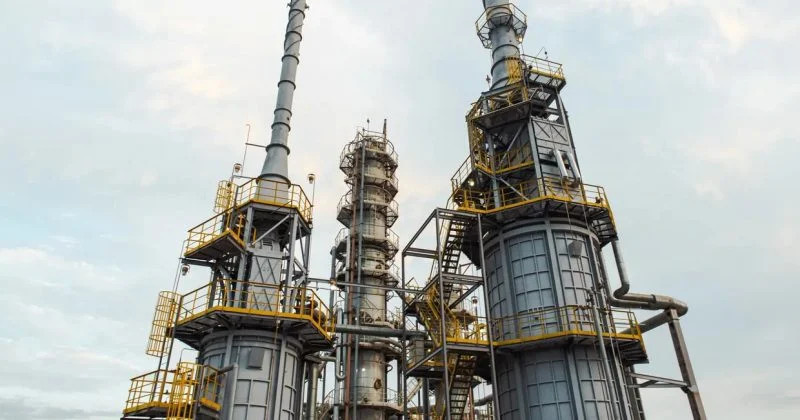
On July 29, Ukraine launched long-range drone strikes on two significant Russian oil refineries, targeting facilities operated by Lukoil in the Perm region and Rosneft in Ryazan. Fires erupted at both locations, as confirmed by Ukrainian security officials. The Perm refinery is located approximately 1,500 kilometers from Ukraine, while the Ryazan facility, which has a processing capacity of around 17 million tonnes per year, is about 400 kilometers from the Ukrainian border and just 120 kilometers from Moscow.
These strikes represent Ukraine's first major assault on Russian energy infrastructure in nearly two weeks and occurred shortly after a meeting between Ukrainian President Volodymyr Zelenskyy and US President Donald Trump. Following these attacks, additional strikes were reported around August 2, targeting three more refineries in the Bashkortostan republic, including a significant facility in Ufa, located roughly 1,600 kilometers from Ukraine.
Market Reading & Resources
Sponsor funding complete. Trade on.
Zelenskyy emphasized that the targeted refineries process millions of tonnes of oil annually, indicating a strategic objective to undermine Russia's fuel supply chains and, consequently, its military funding capabilities. Ukraine has been actively targeting Russian energy infrastructure since 2024, but the scale and depth of these recent operations mark a notable escalation in their campaign.
The Ryazan refinery alone processes about 17 million tonnes of oil each year. If these sustained attacks continue to degrade Russian refining output, the pressure on global fuel prices could increase, particularly affecting diesel and jet fuel markets where Russian exports have historically played a crucial role.
For cryptocurrency investors, fluctuations in oil prices can directly influence inflation expectations, which in turn affect central bank policies. These policies impact risk assets, including Bitcoin and the broader cryptocurrency market. Previous spikes in oil prices during earlier phases of the Russia-Ukraine conflict in 2022 contributed to a surge in inflation that led to aggressive tightening by the Federal Reserve, negatively impacting crypto valuations.
The timing of the strikes, coinciding with the Zelenskyy-Trump meeting, raises questions about potential US tacit approval or lack of opposition, suggesting a prolonged and more aggressive phase in the energy conflict may be forthcoming. Historical patterns indicate that previous strikes on energy infrastructure have led to retaliatory attacks on Ukrainian power grids, perpetuating a cycle of destruction that both sides appear unwilling to halt.