Lagarde Leads Central Bank Discussion on Inflation and AI in Sintra
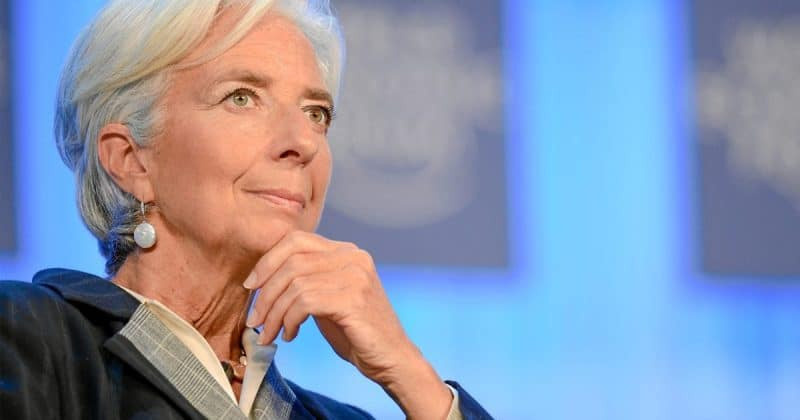
The ECB Forum on Central Banking took place from June 29 to July 1 in Sintra, Portugal, gathering leaders from major central banks to engage in discussions about inflation, economic forecasts, and the role of artificial intelligence in financial stability. ECB President Christine Lagarde led the panel, which included Federal Reserve Chair Kevin Warsh, Bank of England Governor Andrew Bailey, and Bank of Canada Governor Tiff Macklem.
Lagarde emphasized the ECB's commitment to a 2% inflation target, which served as a focal point throughout the discussions. The panel explored how geopolitical developments are influencing economic predictions and the potential stabilizing or destabilizing effects of emerging technologies, particularly AI.
Market Reading & Resources
Sponsor funding complete. Trade on.
Warsh moderated the panel, steering the conversation through various inflation strategies and economic outlooks. Notably absent from the discussions were topics related to cryptocurrency, such as stablecoin regulation and central bank digital currencies, despite ongoing debates in Washington and Brussels.
The ECB’s “Euro Matters” podcast, which typically features Lagarde discussing monetary policy, showcased a different format with this panel. The forum is distinct from regular ECB monetary policy meetings, serving as a platform for long-term policy discourse among central bank governors, academics, and market participants.
Bailey's Bank of England is currently grappling with persistent inflation, while Macklem's Bank of Canada was among the first to initiate rate cuts in recent cycles. The decisions made by these central banks regarding interest rates have significant implications for risk appetite across various asset classes. The discussions in Sintra suggest that central bankers remain focused on achieving their inflation targets, indicating a reluctance to implement aggressive rate cuts in the near term. The prevailing sentiment appears to lean towards maintaining higher rates for an extended period, even as some central banks begin to ease their policies.