Fed Chairman Warsh Sees Declining Inflation Risks, AI's Job Potential
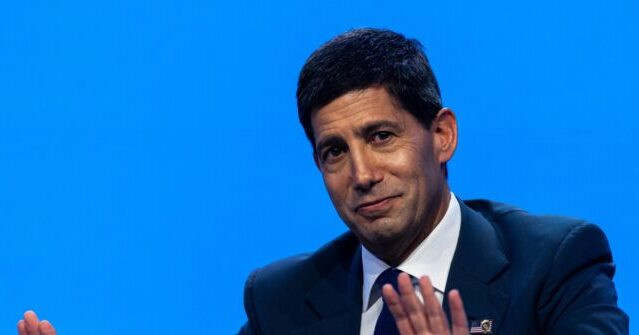
Federal Reserve Chairman Kevin Warsh stated on Wednesday that inflation risks have diminished in recent weeks, though he acknowledged that the central bank still has significant work ahead to manage rising prices. He pointed out that energy prices have notably decreased since the U.S. and Iran reached a memorandum of understanding to end ongoing hostilities last month, although they remain slightly elevated compared to pre-conflict levels.
Inflation continues to be a pressing concern for Americans, with recent polls indicating growing dissatisfaction with the economy. In May, the Consumer Price Index recorded a 4.2% increase, the highest since 2023, driven largely by surging energy costs. Warsh also addressed the influence of artificial intelligence on the economy, expressing optimism about its long-term effects. He noted that the AI sector is leading to increased capital expenditures, which he believes will eventually translate into greater supply.
Market Reading & Resources
Sponsor funding complete. Trade on.
Despite these developments, Warsh refrained from speculating on future interest rate changes, emphasizing the Fed's commitment to independence in its decision-making processes. He reaffirmed that the central bank would not be swayed by external pressures, including those from President Donald Trump, who has previously urged for rate cuts. Warsh's comments came during a high-profile gathering of central bankers in Sintra, Portugal, where he shared the stage with leaders from the European Central Bank and the Bank of England.
European Central Bank President Christine Lagarde echoed Warsh's sentiments regarding inflation, suggesting that the risks are now more balanced compared to previous weeks. While the European Central Bank has raised rates since the onset of the Iran conflict, the Federal Reserve has opted to maintain its current rates as it assesses the broader economic landscape.
Warsh highlighted the rapid growth of the AI industry, particularly as major tech companies invest heavily in data centers to support new AI technologies. This surge has led to increased prices for computer equipment and consumer electronics, with notable price hikes from companies like Apple. While some analysts predict that AI could lead to job reductions, Warsh cited a study indicating that firms investing in AI are also expanding their workforces.
He expressed confidence that the U.S. stands to benefit significantly from the AI revolution, drawing parallels to the internet's transformative impact on job creation. Warsh concluded by reiterating the Fed's commitment to achieving price stability, a key mandate of the central bank, as it prepares for its next rate-setting meeting scheduled for July 28 and 29.