Federal Reserve Chair Warsh Reaffirms Independence, Focus on Inflation
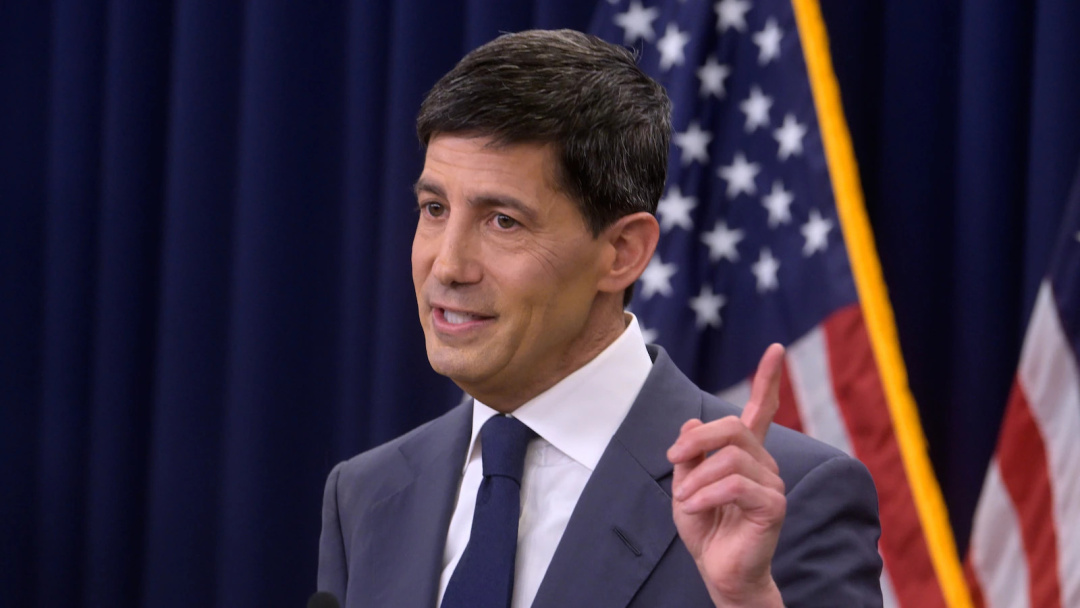
In his first major address since taking office, Federal Reserve Chair Kevin Warsh reaffirmed the central bank's commitment to maintaining its independence and tackling inflation. Speaking at a central bank conference in Sintra, Portugal, Warsh stated that the Fed would not tolerate inflation above its 2% target, indicating a likely rejection of President Donald Trump's calls for lower interest rates. "If businesses or households thought the Fed would accept inflation above 2%, I guess they'd be disappointed. We're going to deliver price stability," he said.
Warsh's comments signal a shift from his previous stance, where he advocated for lower rates while campaigning for the chair position. Since assuming the role on May 22, he has focused on the importance of controlling inflation, distancing himself from political pressures. "We’ve been an independent central bank for a very long time. We’re going to be an independent central bank at this moment and you’re going to see no changes to that," he emphasized.
Market Reading & Resources
Sponsor funding complete. Trade on.
While he did not outline specific measures the Fed might take to address inflation, Warsh's reluctance to provide forward guidance reflects his cautious approach to monetary policy. "I'm not going to make a judgment now. The tactics, the strategy, and the rest, that's still to come," he noted during a panel discussion with other central bankers.
Wall Street analysts anticipate that the Fed may raise its key interest rate from the current 3.6% to approximately 3.9% as early as September. In the last Federal Open Market Committee meeting, nearly half of the 19 policymakers indicated support for rate hikes this year, while others favored maintaining the status quo or even cutting rates. Warsh did not submit a forecast due to his opposition to providing guidance on future policy.
The economic landscape has evolved since Warsh's nomination in January, with inflation reaching a three-year high of 4.2% in May, driven in part by rising gas prices amid geopolitical tensions. However, with recent peace developments leading to a decline in gas prices, there are indications that inflation may have peaked. Warsh pointed out that inflation expectations, as gauged by surveys and bond prices, have decreased over the past month, suggesting a potential easing of inflationary pressures.