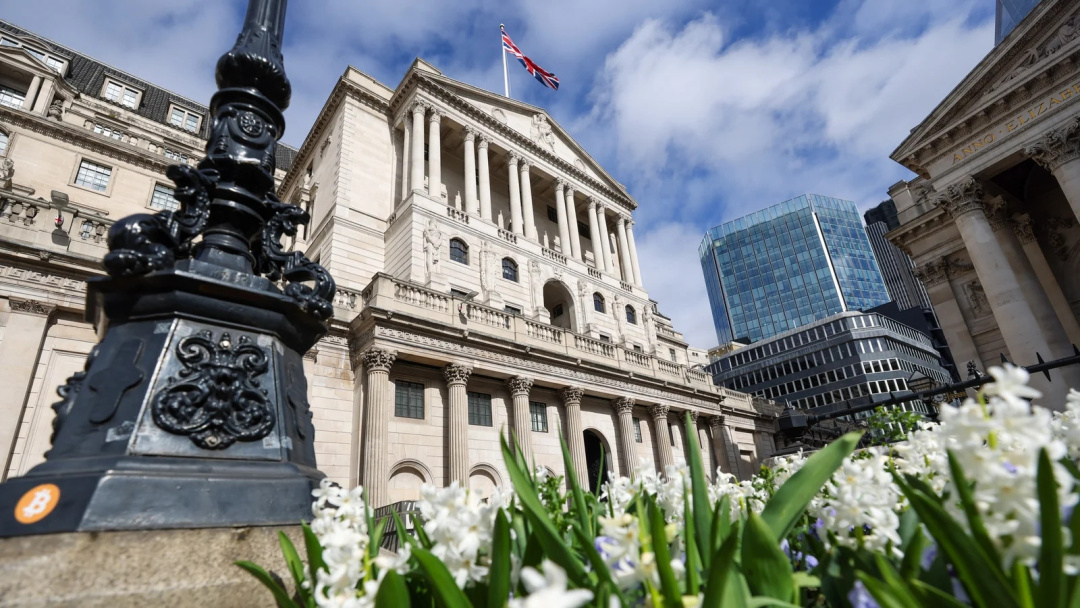
Bank of England Holds Rates Steady Amid Rising Energy Costs from Iran Conflict
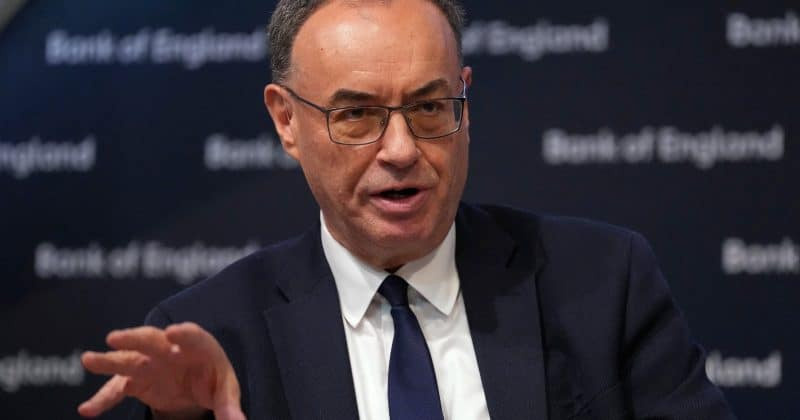
On June 30, Bank of England Governor Andrew Bailey made it clear that the central bank is not rushing to implement interest rate cuts, even as the ongoing conflict in Iran continues to disrupt global energy markets. The Monetary Policy Committee (MPC) voted 7-2 to keep the Bank Rate at 3.75%, a decision that reflects a significant shift in market expectations. Prior to the Iran war, traders had anticipated two rate reductions in 2026, potentially lowering the rate to 3.25%. However, those forecasts have been shelved, with some market participants now considering the possibility of rate hikes instead.
Bailey's caution stems from the belief that the economic repercussions of the Iran conflict have yet to fully impact households. The rise in oil prices, a direct result of the conflict disrupting energy supplies, is contributing to broader inflation expectations. While Bailey acknowledged that inflation is still projected to meet the Bank's 2% target, it is now expected to do so later than previously forecasted.
Market Reading & Resources
Sponsor funding complete. Trade on.
The typical household energy bill is anticipated to rise to £1,900 annually as these cost increases take effect. The MPC's vote reflects a divided perspective; while two members supported a rate cut, the majority of seven members opted to maintain the current rate, indicating a cautious approach to monetary policy.
High borrowing costs are particularly challenging for rate-sensitive sectors, notably housing. Homeowners with variable-rate mortgages or those nearing fixed-rate renewals are facing a market where relief appears further away than anticipated at the beginning of the year.
Before the conflict, market expectations had suggested a relatively smooth path forward, with anticipated rate cuts and a soft economic landing. The recent shift from expecting cuts to considering potential hikes marks a significant recalibration of UK rate expectations in a short timeframe.
Bailey emphasized the importance of monitoring second-round inflation effects, such as wage increases and further price rises. He indicated that the Bank would act decisively if inflationary pressures become more pronounced. However, he remains unconvinced that the current economic landscape is clear enough to warrant action at this time. The dissenting MPC members likely believe that the risks of an economic slowdown outweigh the persistent inflation risks, while the majority maintains that the existing data does not support easing rates at this juncture.