ECB's Ulo Kaasik Signals Potential for More Rate Hikes Amid Rising Inflation
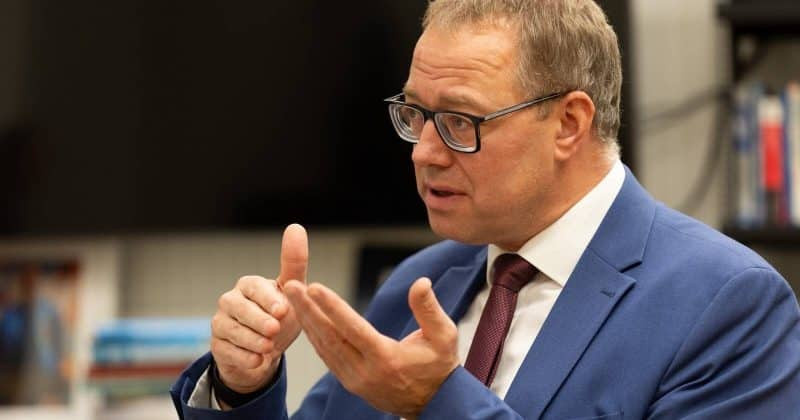
Ulo Kaasik, who took office as Governor of Eesti Pank on June 7, has joined the European Central Bank's (ECB) Governing Council at a critical time. Following a recent interest rate hike, Kaasik has suggested that additional increases may be necessary to manage inflation, which has surged to 3.2% in May, up from 3.0% in April. This marks a significant rise from the sub-2% levels seen prior to the onset of the Iran conflict, which began with US and Israeli strikes on February 28, disrupting oil supplies in a key global production region.
The ECB raised its benchmark interest rate by 25 basis points to 2.25% on June 11, marking its first increase since 2023. This decision reflects the central bank's response to inflationary pressures exacerbated by the ongoing war in Iran. Kaasik has stressed the need for the ECB to remain adaptable, ready to respond to economic data that may necessitate further tightening of monetary policy.
Market Reading & Resources
Sponsor funding complete. Trade on.
Historically, the ECB had been in a cycle of rate cuts throughout 2024 and 2025, easing monetary policy as inflation appeared to stabilize. However, the current geopolitical situation has shifted this approach. The recent rate hike effectively ends the easing cycle, with multiple ECB policymakers hinting at the possibility of another increase in July.
The implications of rising interest rates extend beyond government bond yields, affecting borrowing costs for businesses and consumers, putting pressure on equity valuations, and enhancing the appeal of cash and fixed-income investments. For the cryptocurrency market, tightening monetary policy has often led to a decreased appetite for risk assets. Previous rate hikes by the ECB and the Federal Reserve in response to inflation and energy shocks have resulted in significant downturns for crypto assets, with Bitcoin and others not recovering until signs of a peak in the tightening cycle emerged.
The critical factor to monitor is whether inflation continues to rise or stabilizes. If the May inflation figure of 3.2% is a peak, the ECB may consider pausing after one or two more hikes. Conversely, if energy disruptions escalate and inflation approaches 4% or higher, a more aggressive tightening cycle could be on the horizon.