Lagarde: Eurozone Inflation Risks Have Eased Despite Rate Hike
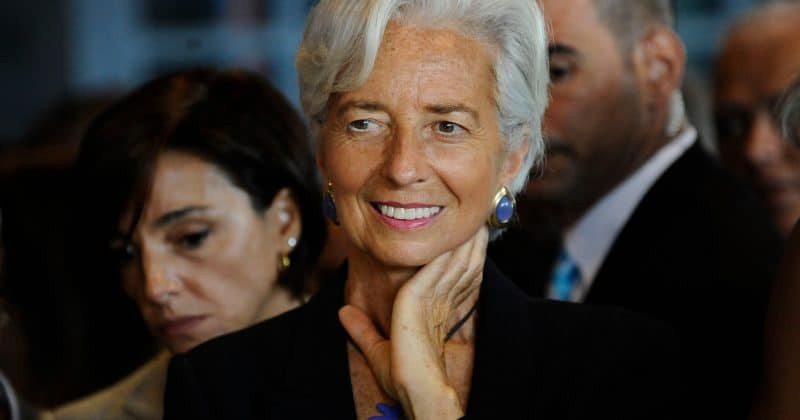
European Central Bank (ECB) President Christine Lagarde has indicated that the risks associated with inflation and growth in the eurozone have lessened, even as energy prices remain elevated. This assessment comes shortly after the ECB raised interest rates for the first time in nearly three years, a move Lagarde described as a necessary adjustment rather than a preemptive strike against inflation. On June 11, 2026, the ECB increased its key interest rates by 25 basis points, responding to persistently high inflation and a weakening growth outlook.
In her remarks on June 22, 2026, Lagarde noted that there is no evidence suggesting that long-term inflation expectations have become de-anchored, and she dismissed concerns about dangerous second-round effects that would necessitate a strong policy response. The ECB's staff projections forecast a gradual improvement in inflation rates, predicting an average of 3.0% in 2026, a decline to 2.3% in 2027, and a return to the bank's target of 2% by 2028.
Market Reading & Resources
Sponsor funding complete. Trade on.
However, the backdrop of these projections includes significant challenges, particularly with energy price inflation reaching 10.9% in April 2026, largely influenced by ongoing conflicts in the Middle East and their impact on global energy markets. Lagarde acknowledged that the current geopolitical climate poses risks that could lead to further surges in energy costs.
In a speech delivered on June 29, 2026, Lagarde elaborated on the ECB's renewed focus on using policy rates as the primary tool for stabilizing inflation. This marks a strategic shift away from the unconventional monetary measures, such as large-scale asset purchases and negative interest rates, that characterized the ECB's approach over the past decade.
The timeline for achieving the 2% inflation target by 2028 is crucial for the ECB's long-term strategy. If the bank can meet this projection, it would suggest a gradual normalization of monetary conditions across the eurozone over the next two years. Lagarde's cautious approach, particularly in light of the current economic slowdown, highlights the delicate balance the ECB must maintain as it navigates these challenges.