Barclays and HSBC Warn of Rising Demand for Inflation-Protected Bonds
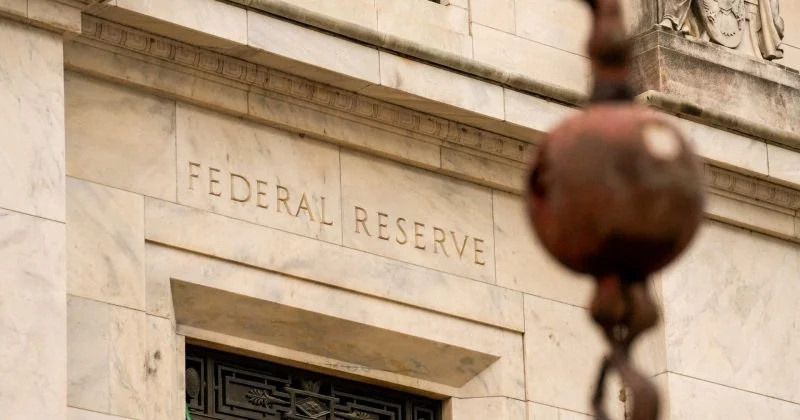
Barclays and HSBC have raised alarms about a notable increase in demand for Treasury Inflation-Protected Securities (TIPS), driven by investor skepticism regarding the Federal Reserve's responsiveness to inflation. The banks highlighted that this trend is a direct result of the Fed's cautious stance under the leadership of Kevin Warsh, who became chair in May 2026. Warsh has made it clear that inflation exceeding 2% is unacceptable, adopting a strict approach without offering detailed guidance on future policy actions.
The current environment is particularly significant as the demand for TIPS coincides with 30-year Treasury yields reaching levels not seen in nearly two decades. This combination reflects a growing unease within fixed-income markets. The Fed has maintained its benchmark interest rate in the range of 3.5% to 3.75% through multiple meetings, including a fifth consecutive pause noted in late July 2026.
Market Reading & Resources
Sponsor funding complete. Trade on.
Analysts from Barclays and HSBC observed that recent increases in TIPS yields have created tactical entry points for institutional investors, prompting a substantial influx of capital into these inflation-protected bonds. TIPS adjust their principal value based on the Consumer Price Index, making them an appealing option for those seeking to hedge against inflation.
Warsh has characterized inflation as an "unfair burden," advocating for a policy shift aimed at restoring price stability around the 2% target. Despite his decisive rhetoric, the lack of detailed forward guidance has left bond markets uncertain about the Fed's next moves. The five consecutive pauses in rate adjustments illustrate the Fed's current indecision, neither cutting nor hiking rates, which has led to a consensus among major banks that this concern is widely shared.
For bond investors, this evolving landscape necessitates a reevaluation of portfolio strategies. While TIPS provide a hedge against realized inflation, they do not shield investors from market volatility stemming from uncertainties regarding future Fed policies. As the situation develops, investors will need to navigate these complexities carefully to protect their investments.