Zimbabwe Delays US Dollar Phase-Out, Eyes 2030 for ZiG Currency
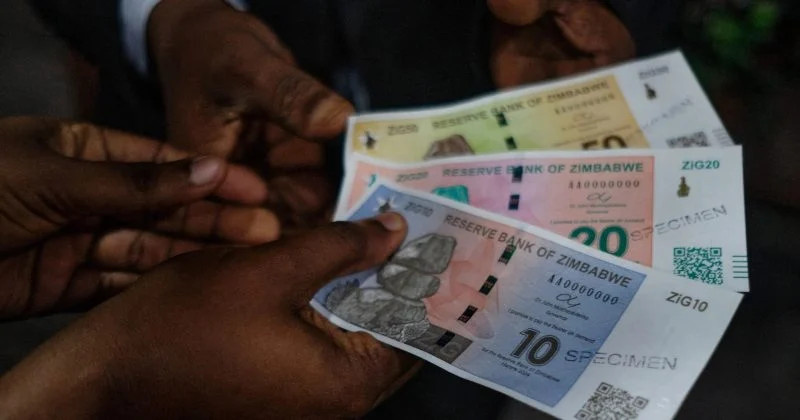
Zimbabwe has announced a delay in its plans to phase out the US dollar in favor of its gold-backed ZiG currency, opting to wait until inflation is under control and the exchange rate stabilizes. The government now aims for 2030 to establish the ZiG as the sole legal tender. Currently, the US dollar accounts for about 85% of all transactions in Zimbabwe, a situation driven by a long-standing distrust of the local currency.
The ZiG, launched in April 2024, was introduced as a gold-backed alternative to the dollar, initially supported by approximately $285 million in assets. This move was seen as an effort by the Reserve Bank of Zimbabwe (RBZ) to restore confidence in its monetary system. Recent data shows that annual inflation fell to 3.2% in July 2026, down from 4.7% in June, a significant improvement from the triple-digit inflation rates experienced in previous years.
Market Reading & Resources
Sponsor funding complete. Trade on.
In addition to the ZiG, the RBZ has rolled out redesigned higher-denomination banknotes to encourage everyday use of the currency. The central bank has also issued a gold-backed digital ZiG token, which can be used for electronic payments through wallets or cards. This token represents a hybrid model of a central bank digital currency (CBDC), being backed by a physical commodity rather than solely by government fiat.
In June 2026, the government introduced Statutory Instrument 99, establishing a regulatory framework that requires virtual asset service providers to register with the Financial Intelligence Unit, with an annual registration fee of $500. This regulatory approach reflects a broader trend in emerging markets, where individuals diversify into dollar stablecoins, Bitcoin, and other digital assets when national currencies fail. Zimbabwe's framework aims to integrate cryptocurrencies rather than impose outright bans.
However, the challenge for the ZiG lies in achieving the stability necessary to encourage its adoption as the sole currency. The very factors that make the US dollar appealing—low inflation, predictable exchange rates, and steady reserves—pose a credibility challenge for the ZiG. Convincing the population to transition from the world’s reserve currency to a gold-backed token issued by the same institution that oversaw hyperinflation in 2008 is a significant hurdle that will take time to overcome.











