Klaas Knot Gains Dutch Support for European Central Bank Presidency
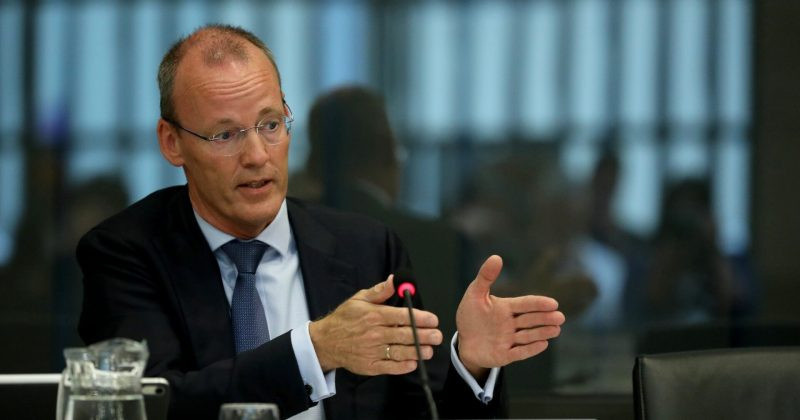
The Netherlands has officially endorsed Klaas Knot as a candidate for the presidency of the European Central Bank (ECB), marking a pivotal moment in the race to succeed Christine Lagarde. Knot, who has served as president of De Nederlandsche Bank since 2011 and has been a member of the ECB Governing Council for 14 years, is recognized for his strong stance on inflation control. His candidacy comes at a time when speculation about Lagarde's potential early departure from her role is increasing, with her term set to end in October 2027.
Knot's endorsement positions him as a leading contender alongside Spain's former central bank governor Pablo Hernández de Cos and Bundesbank president Joachim Nagel. Historically, the ECB presidency has never been held by a Dutch national, making Knot's candidacy particularly significant. His reputation as an inflation hawk includes vocal critiques of ECB policies during challenging economic periods, suggesting he would prioritize inflation management while ensuring institutional stability.
Market Reading & Resources
Sponsor funding complete. Trade on.
In addition to his monetary policy views, Knot is a proponent of the digital euro, advocating for its use as a means to enhance independent payment systems and provide crisis backup infrastructure. He does not see it as a tool for fostering financial innovation or competing with private digital currencies. Under his leadership, the ECB is expected to adopt a cautious approach to the digital euro's implementation, focusing on financial stability rather than rapid deployment. This could provide stablecoin issuers in Europe with a longer timeframe to adapt, while also indicating that regulatory scrutiny will likely remain stringent.
Knot's hawkish monetary policy could lead to a more conservative interest rate environment in the eurozone, which historically poses challenges for risk assets, including cryptocurrencies. The crypto market, particularly Bitcoin, has shown sensitivity to interest rate expectations from major central banks. While the ECB president does not directly dictate crypto regulation—this responsibility lies with the European Commission and the bodies overseeing the Markets in Crypto-Assets (MiCA) framework—Knot's influence could shape the political climate surrounding digital assets. His emphasis on stability over innovation suggests a preference for conservative regulatory measures rather than a push for more crypto-friendly policies.