Nikkei 225 Rises as Lower Oil Prices Alleviate Inflation Concerns
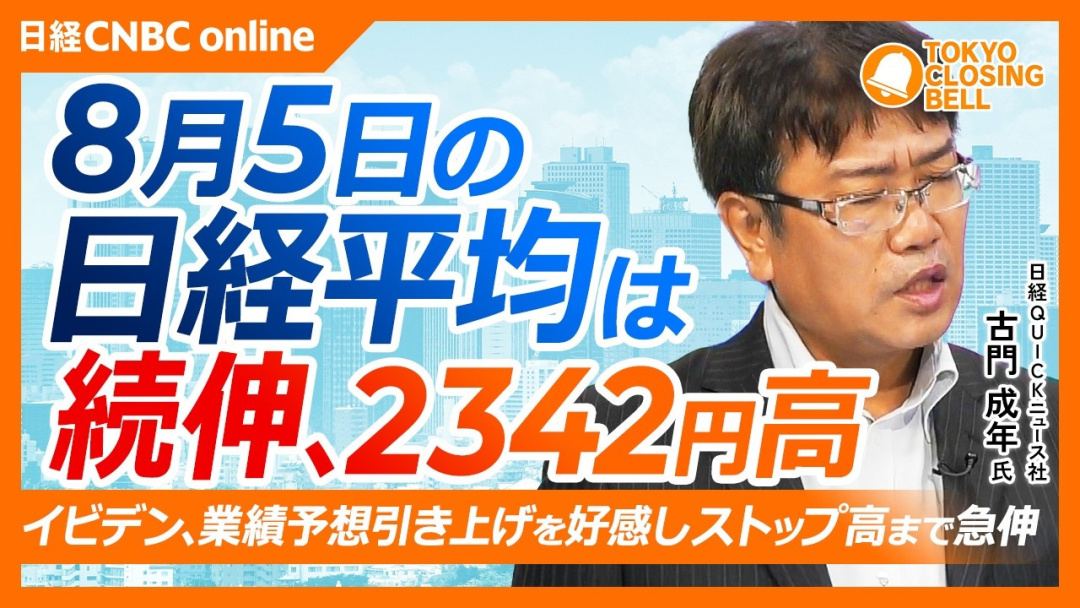
On August 5, Tokyo stocks rebounded sharply, with the Nikkei 225 rising to around 66,300 in late-session trading. This surge was largely attributed to investor buybacks in artificial intelligence and semiconductor-related shares, buoyed by lower oil prices and a steadier yen that alleviated concerns over imported inflation. The broader TOPIX index also advanced, surpassing 4,000, as buying interest extended beyond high-priced technology shares. This shift indicated a renewed risk appetite among investors, who began to rebuild exposure to cyclical stocks, exporters, and select domestic-demand companies after a period of currency-driven volatility.
The Nikkei's rise followed a mixed start to August, where it had previously dipped on August 3 due to coordinated U.S.-Japan yen-buying interventions that strengthened the currency and negatively impacted exporters. However, the market stabilized on August 4 as investors returned to semiconductor and data-center-related stocks. The recovery accelerated on August 5, driven by improved global technology sentiment and a notable drop in oil prices.
Market Reading & Resources
Sponsor funding complete. Trade on.
Market analysts noted that the return of risk appetite in the AI sector was a significant factor in the Nikkei's rebound. Investors showed renewed interest in companies linked to memory chips, chip testing, semiconductor equipment, and data-center infrastructure, following a rally on Wall Street and a recovery in Asian semiconductor shares. The positive momentum was further supported by gains in South Korea and Taiwan, where the Kospi index rose sharply, buoyed by renewed buying in major tech firms like SK Hynix and Samsung Electronics.
Kioxia Holdings emerged as a key stock to watch, reflecting investor confidence in AI servers and high-bandwidth memory. Despite volatility since late July, renewed buying indicated a willingness to engage with the AI hardware cycle. Advantest also saw strong gains as investors returned to chip-testing equipment shares, which are closely tied to expectations for advanced semiconductor demand. Other semiconductor equipment companies, including Tokyo Electron and SCREEN Holdings, were also in focus as the sector remains attractive amid ongoing AI-related chip investments.
In addition to semiconductor stocks, lower oil prices provided relief to fuel-sensitive and domestic-demand shares. The yen's stabilization reduced immediate concerns about its volatility following last week's intervention. Toyota Motor was particularly notable, raising its full-year operating profit forecast to 3.4 trillion yen and announcing a buyback of approximately 1 trillion yen. The automaker adjusted its assumed exchange rate to 160 yen per dollar, highlighting the impact of a weaker yen on Japanese exporters.
The yen traded around the upper 157 range to the dollar, significantly stronger than its late-July levels near 164, but weaker than the post-intervention high of around 155. This stabilization helped calm the equity market, although traders remained vigilant for potential renewed intervention if the yen were to decline sharply again. The coordinated U.S.-Japan intervention has shifted the tone of currency trading, making speculators more cautious about rebuilding large yen-short positions, given the stronger international backing.
Meanwhile, the U.S.-Japan interest-rate gap remains a concern. Unless there is increased confidence that the Bank of Japan will raise rates or that the Federal Reserve will ease, the yen may remain susceptible to renewed selling pressure. Japanese government bond yields are central to the policy outlook, with shorter-term yields reflecting expectations of a potential BOJ rate hike later this year, while longer-term yields are sensitive to fiscal policy and inflation.
The BOJ maintained its policy rate at 1% on July 31, but the decision was perceived as hawkish, with a dissenting board member advocating for a hike to 1.25%. Recent economic data suggests that Japan's wage-price cycle is improving, with real wages rising 1.6% in June compared to the previous year, marking the sixth consecutive monthly gain. This trend supports household purchasing power and strengthens the case for gradual monetary tightening.
However, the services sector showed signs of strain, with the S&P Global services purchasing managers' index falling to 51.2 in July from 52.2 in June, indicating slower growth. Companies reported higher input costs from wages and the weak yen, leading to increased selling prices at the fastest pace since April 2014. This suggests that inflation pressures are still present in the economy, even as oil prices decline.
Households face mixed economic signals, with real wage gains being overshadowed by rising prices for essential goods and services. The government is considering relief measures, including potential consumption-tax support for food, which could assist households but raise concerns about fiscal discipline. Prime Minister Sanae Takaichi's administration is pursuing significant public and private investment through fiscal 2040, targeting sectors such as semiconductors, AI, and energy security.
The decline in oil prices has been a crucial global factor, with Brent crude falling to around $78.85 a barrel and U.S. crude dropping to about $75.09. This decrease is attributed to progress in U.S.-Iran peace talks and improved oil traffic through the Strait of Hormuz, providing direct relief to Japan, which imports most of its energy. A stronger yen combined with lower oil prices is particularly beneficial for households and import-dependent companies, easing concerns over imported inflation that had been prevalent in July.
Despite the positive developments, investors remain cautious about the sustainability of AI spending and its impact on profitability. While companies in the semiconductor and data-center infrastructure sectors may benefit from AI investments, valuations could still decline if expectations outpace earnings growth. Looking ahead, market participants will closely monitor the Nikkei's ability to maintain levels above 66,000 and the TOPIX's position above 4,000, as well as the performance of key AI-related stocks. Additionally, the yen's movements around 157 to 158 to the dollar will be critical, as a shift toward 160 could challenge the credibility of recent interventions and raise expectations for further BOJ rate hikes.