Bessent Advocates for Expansion of Fed's Foreign Lending Facility
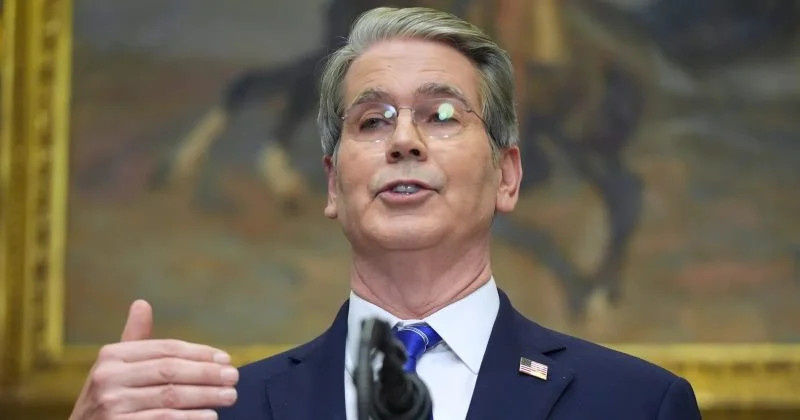
Treasury Secretary Scott Bessent is calling for an expansion of the Federal Reserve’s Foreign and International Monetary Authorities (FIMA) repo facility, which allows foreign central banks to borrow dollars against U.S. Treasury collateral. The current limit of $60 billion is seen as insufficient given the increasing currency pressures faced by U.S. allies, particularly in light of geopolitical tensions stemming from the Iran conflict and ongoing instability in the Japanese yen.
The FIMA facility enables foreign monetary authorities to temporarily exchange their U.S. Treasury holdings for dollars, which they can later repurchase. This mechanism provides short-term liquidity and is backed by some of the safest assets available. Without this facility, foreign central banks might resort to selling Treasuries to obtain dollars, which could lead to a decline in bond prices and an increase in yields. Bessent argues that the existing cap does not provide enough flexibility in the current geopolitical climate.
Market Reading & Resources
Sponsor funding complete. Trade on.
In addition to increasing the FIMA facility's cap, Bessent has suggested the establishment of permanent swap lines with allied nations, specifically mentioning requests from the UAE and other Gulf countries facing economic challenges related to the Iran situation. He has also worked on a Treasury swap line framework for Argentina, which included a $20 billion component.
However, analysts have raised concerns about the potential consequences of such expansions. A significant intervention could trigger heavy Treasury sales, unsettling the bond market. There is also a political risk, as any increase in Fed lending to foreign governments could be perceived as a bailout.
Expanding the FIMA facility and creating new swap lines would require majority approval from the Federal Open Market Committee (FOMC). Historically, the Fed has been cautious about broadening its international lending operations. Previous expansions of swap lines during the 2008 financial crisis and the COVID-19 pandemic resulted in a substantial influx of dollar liquidity that permeated various asset classes.
For the stablecoin market, an expanded FIMA facility could have notable implications. Stablecoins have increasingly become significant holders of short-term U.S. Treasuries, and any policy that boosts demand for Treasury collateral or alters short-term dollar funding rates could impact the entire stablecoin ecosystem. If the Fed indicates a willingness to expand the facility, it may lead to a compression of short-term Treasury yields due to increased demand for collateral-eligible securities, tightening supply in the market.