JPMorgan Predicts Possible Fed Rate Hike by December 2026
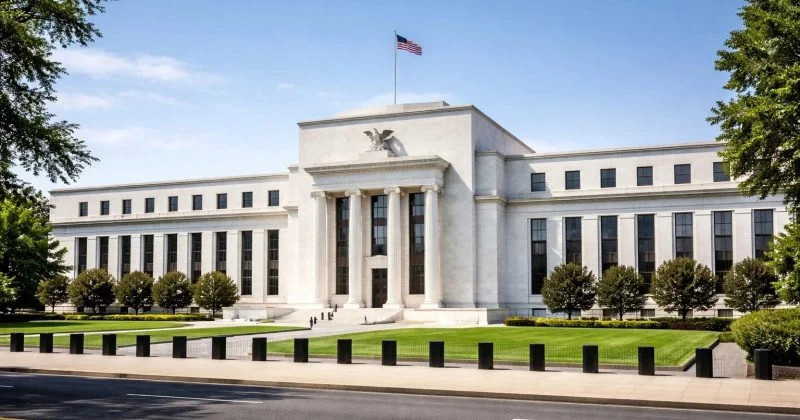
JPMorgan has revised its outlook for a U.S. Federal Reserve rate hike, now indicating that an increase could occur as soon as December 2026. This adjustment follows a significant reaction in the bond markets after Federal Reserve Chair Kevin Warsh's recent press conference, during which the 30-year Treasury yield surged above 5.20%, a level not seen since the 2007 financial crisis. The market's response reflects growing uncertainty about the Fed's commitment to a restrictive policy aimed at controlling inflation, which has consistently remained above the 2% target for the past five years.
The selloff in the bond market has prompted investors to reevaluate their expectations regarding the Fed's policy trajectory. Previously, JPMorgan had anticipated a rate hike in the latter half of 2027, but the current forecast suggests a 25-basis-point increase could happen much sooner. This shift comes amid rising inflation concerns, indicating that the Federal Reserve may need to tighten monetary policy more quickly than previously thought.
Market Reading & Resources
Sponsor funding complete. Trade on.
In prediction markets, the likelihood of a rate hike by the September 2026 meeting has decreased, with current odds at 47.5%, down from 56% just a day earlier. Similarly, the odds for a rate hike at the October 2026 meeting have also fallen to 59.5%, down from 62%. These changes illustrate the market's recalibration in response to JPMorgan's updated forecast and the implications of Chair Warsh's statements.
Market participants are advised to closely monitor upcoming communications from the Federal Reserve, including remarks from Chair Warsh and other key officials, for any signs of policy shifts. Additionally, forthcoming inflation data releases will play a crucial role in shaping expectations for the Fed's next moves, especially if they indicate further acceleration in inflation. Insights from the Federal Open Market Committee's minutes or economic forecasts could also significantly influence market perceptions and pricing for future meetings.