US Treasury Secretary Predicts US-Iran Deal on Strait of Hormuz
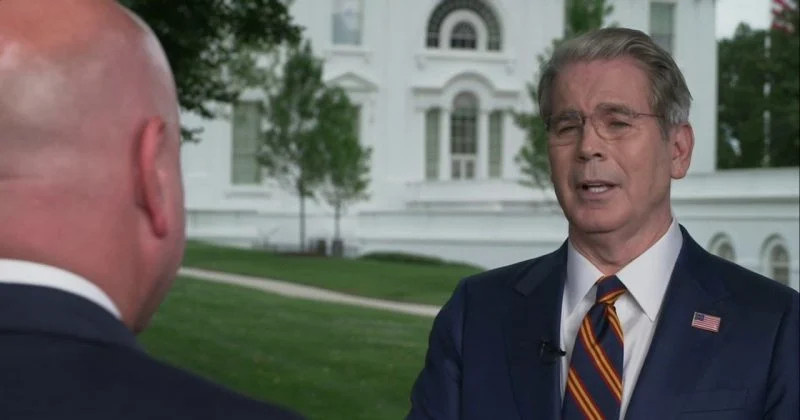
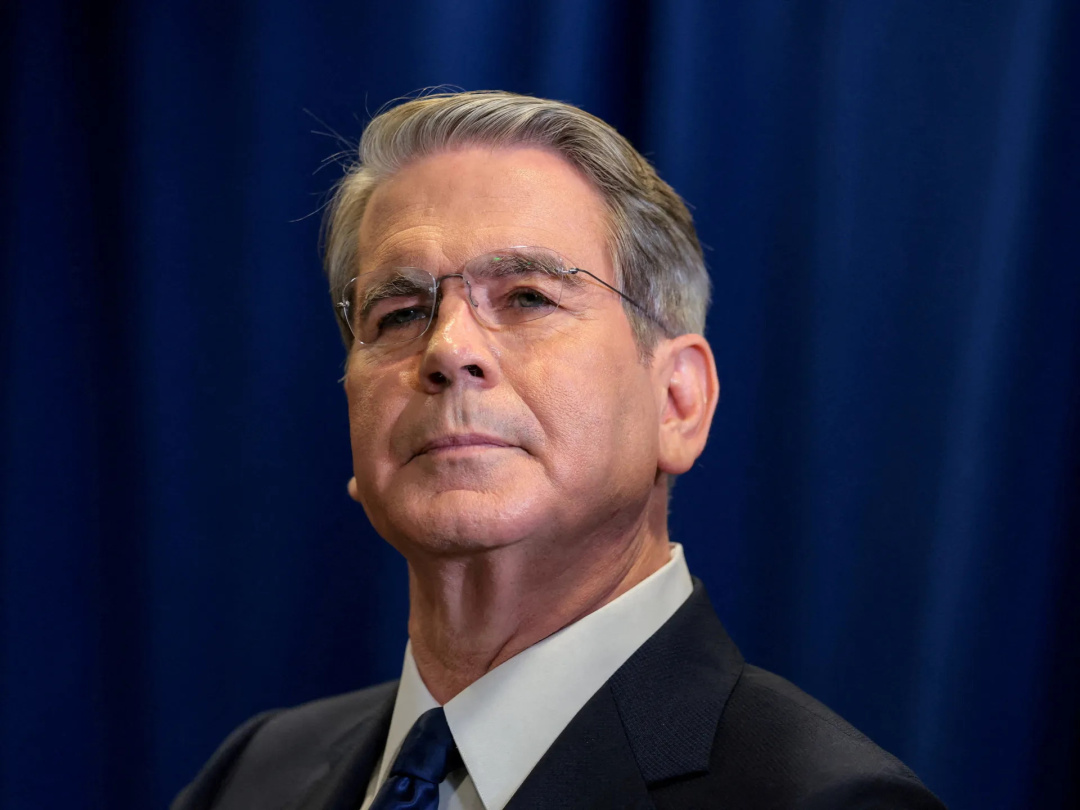
US Treasury Secretary Scott Bessent made headlines on August 4 when he suggested on CNBC that a deal between the United States and Iran concerning the Strait of Hormuz might be finalized by Tuesday. This announcement had an immediate impact on the markets, causing oil prices to plummet as traders reacted to the possibility of the strait reopening for normal traffic. The Strait of Hormuz is a vital maritime corridor, responsible for transporting about 20% of the world's oil supply, making any developments in this area critical for global energy markets.
Access through the Strait has been severely restricted since July 2026, amid escalating tensions between the US and Iran, with Bloomberg recently characterizing the situation as akin to "War With Iran." Previous diplomatic efforts involving China and Qatar have not yielded lasting results, but Bessent's remarks represent the most definitive timeline provided by a senior US official regarding a potential resolution.
Market Reading & Resources
Sponsor funding complete. Trade on.
The market's immediate response to Bessent's comments was clear, with oil prices dropping significantly as traders began to factor in the likelihood of stabilized shipping routes. A successful agreement would alleviate one of the major inflationary pressures currently affecting the global economy. Lower energy costs could reduce the Federal Reserve's need for restrictive monetary policies, influencing Treasury yields and the valuations of various risk assets.
While the focus of the coverage has primarily been on energy prices and geopolitical risks, there has been little discussion regarding the implications for cryptocurrencies or digital assets. Traders are advised to monitor stablecoins and on-chain activities in the Middle East and North Africa, as periods of geopolitical instability often lead to increased adoption of dollar-denominated stablecoins, allowing individuals to safeguard their purchasing power outside local banking systems. However, it remains unclear whether this particular conflict has triggered such a trend.
Bessent's specific timeline for negotiations means that market participants will be closely watching for any confirmation or setbacks in the coming days. Additionally, Senate Republicans have been vocal in their support for stricter sanctions aimed at entities that could facilitate Iranian control or impose fees on shipping through the Strait, highlighting the broader geopolitical tensions that could complicate any potential agreement.