Job Openings Decline to Lowest Level in Three Months
The U.S. labor market is showing signs of slowing, with job openings dropping to 7.359 million in June, according to the Bureau of Labor Statistics’ JOLTS report released on August 4. This figure represents the lowest level since March and falls short of the 7.44 million that economists had anticipated, reflecting a decline of 235,000 from May's 7.594 million. The decrease in job openings was not uniform across sectors, with healthcare experiencing the most significant loss, shedding 147,000 openings in just one month. The leisure and hospitality sector followed closely, losing 86,000 openings, while wholesale trade and business services saw declines of 74,000 and 71,000, respectively.
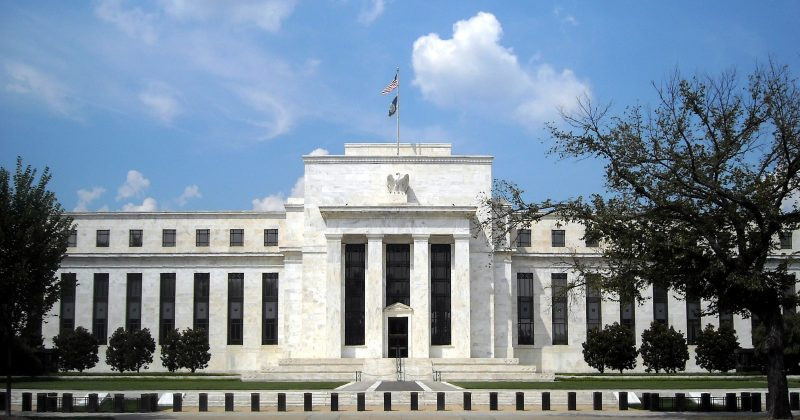
Despite the drop in job openings, hiring levels remained stable, with total hires holding steady at 5.3 million and total separations remaining flat at 5.4 million. This indicates that companies are not engaging in mass layoffs but are instead quietly reducing their hiring efforts. The Federal Reserve has been closely monitoring labor market data for indications of demand normalization, and this significant miss—approximately 80,000 below consensus—provides more support for those on the Federal Open Market Committee advocating for rate cuts or at least a pause in tightening rhetoric.
Market Reading & Resources
Sponsor funding complete. Trade on.
A softer labor market typically leads to lower inflation expectations, which can accelerate timelines for potential rate cuts. This is particularly relevant for risk assets, including cryptocurrencies like Bitcoin, which have historically reacted to liquidity expectations. The 2020 Bitcoin rally was fueled by near-zero interest rates, while the downturn in 2022 coincided with aggressive rate hikes.
The decline in job openings has now moved below the 7.5 million threshold that many economists consider indicative of a balanced labor market. The sectoral breakdown raises further concerns, especially as healthcare has been one of the most resilient hiring sectors in the post-pandemic economy. The significant drop in openings within this sector suggests that even industries facing structural labor shortages are reconsidering their expansion plans. Similarly, the decline in leisure and hospitality openings is notable, as this sector was expected to be the last to cool off following the COVID-19 lockdowns.