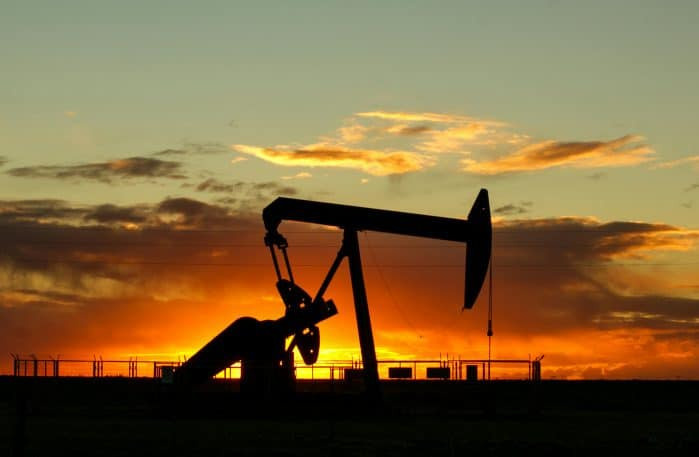
Rising Oil Prices Pressure Emerging Markets Amid US-Iran Tensions
On April 22, the MSCI index of emerging-market currencies dropped by 0.3%, its worst single-day performance in over a week, primarily due to rising oil prices that surpassed $100 per barrel. This surge was driven by stalled diplomatic talks between the US and Iran, coupled with increased military activity near the Strait of Hormuz. Countries that heavily rely on energy imports, including many in Eastern Europe, South and Southeast Asia, and sub-Saharan Africa, are particularly vulnerable to these price hikes. As energy import bills rise, trade deficits widen, leading to downward pressure on local currencies. A weaker currency further exacerbates the cost of energy imports in local terms.
Eastern European currencies were notably affected, reflecting the region's sensitivity to energy price fluctuations. In contrast, the Chilean peso and the Colombian peso each gained approximately 0.6% on the same day. Chile's economy is somewhat insulated due to its significant copper exports, which also saw price increases, while Colombia, as a notable oil exporter, benefited more directly from the rising crude prices.
Market Reading & Resources
Sponsor funding complete. Trade on.
The ongoing US-Iran negotiations have been characterized by cycles of optimism and setbacks throughout 2026. Oil prices have fluctuated significantly, rallying over 4% in response to fears of escalation before retreating when diplomatic signals improve. This volatility creates an uncomfortable environment for investors in emerging-market equities and local-currency bonds, as high energy costs contribute to inflationary pressures. Central banks are thus compelled to maintain tighter monetary policies than would typically be warranted by growth conditions.
The impact of these developments extended to the cryptocurrency markets, which also experienced a decline. On April 22, the total crypto market capitalization fell by 1.24%, aligning with the broader trend of digital assets selling off alongside other risk assets amid rising geopolitical uncertainty. Investors are left navigating a complex landscape as both traditional and digital markets react to the pressures stemming from energy prices and international relations.