Japan's Off-Price Fashion Retailers Expand Amid Inflation
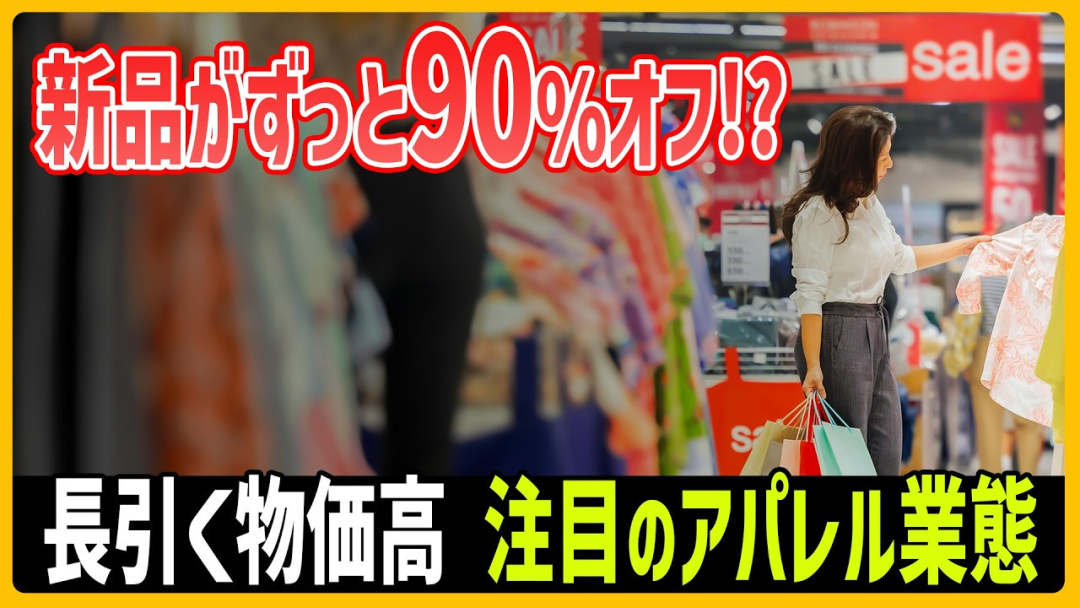
In Japan, the rise of off-price apparel stores is a response to prolonged inflation, which has led consumers to seek more affordable clothing options. Geo Holdings is at the forefront of this trend, planning to expand its Luck Rack chain from over 50 stores to 500 by fiscal 2035. These off-price retailers sell new clothing at significant discounts, typically ranging from 30% to 90%, by acquiring surplus inventory from manufacturers and brands. This model differs from traditional outlet stores, which primarily sell products from a single brand. Instead, off-price stores offer a variety of brands, creating a shopping experience akin to a select shop.
The appeal of off-price stores lies in their ability to provide new clothing at lower prices, especially as apparel costs continue to rise. Children's clothing is particularly in demand, as families look for budget-friendly options due to the rapid growth of children. However, the prevalence of steep discounts also highlights the issue of unsold inventory in the apparel industry, which has become a significant financial and environmental concern.
Market Reading & Resources
Sponsor funding complete. Trade on.
In the U.S., off-price retailing is well-established, with chains like TJ Maxx and Ross Dress for Less thriving by offering a constantly changing selection of discounted goods. This treasure-hunt shopping experience is beginning to resonate with Japanese consumers, who are increasingly sharing their finds on social media. As the off-price market in Japan is still developing, the potential for growth is substantial, especially as consumers become more conscious of waste and seek out lower-priced alternatives.
Geo Holdings, which also operates the Second Street chain of secondhand stores, is not only focusing on Luck Rack but is also expanding Second Street to a combined total of 2,500 locations by fiscal 2035. The company sources products from over 700 manufacturers, including well-known brands like Nano Universe and Diesel, enhancing its bargaining power in the market.
Another player in the off-price sector is Locust, a joint venture involving Pal Group Holdings and a major trading company. Locust has seen a surge in requests from fashion brands looking to offload surplus merchandise, with some brands holding inventories of up to 300,000 items. The company reports monthly figures on the volume of clothing it has sold, highlighting its role in preventing waste.
As the off-price retail sector grows, it is expected to attract consumers who prefer new clothing over secondhand options. The combination of rising living costs and increasing awareness of environmental issues is likely to support further expansion in this market. While Japan's off-price retail landscape is still emerging, the success of established U.S. chains suggests a promising future for this segment in Japan.