Federal Reserve Survey Indicates Significant Credit Tightening
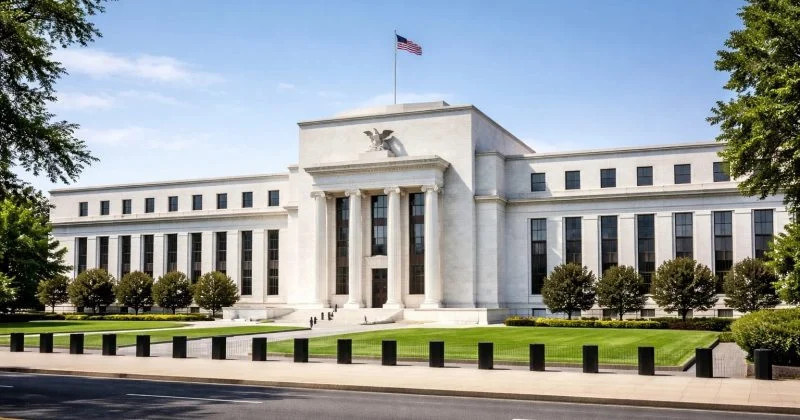
The Federal Reserve's recent Senior Loan Officer Opinion Survey, released on May 4, indicates a notable tightening of lending standards among banks. The net percentage measuring these standards has plunged to -26.8%, a significant increase from the previous quarter's -12.9%. This sharp decline suggests that banks are not merely exercising caution; they are actively pulling back on lending, a trend that could have serious implications for investors in risk assets, particularly in the cryptocurrency market.
The Senior Loan Officer Opinion Survey, commonly referred to as SLOOS, is a quarterly report that provides insights into the lending practices of approximately 80 large domestic banks and 24 U.S. branches of foreign institutions. The survey asks senior loan officers about changes in credit standards, shifts in loan demand, and the terms being offered to borrowers. The net percentage is calculated by subtracting the share of banks reporting easier credit standards from those reporting tighter ones. A deeply negative figure, such as the current -26.8%, indicates a strong consensus among banks towards tightening credit.
Market Reading & Resources
Sponsor funding complete. Trade on.
This latest reading reflects changes observed during the first quarter of 2026 and is significant enough to warrant attention from investors and policymakers alike. The Federal Reserve considers readings in the 0% to 5% range as “basically unchanged,” meaning that a reading near -27% is indicative of a substantial shift in lending behavior.
The implications of this tightening are far-reaching, as it can influence the Federal Open Market Committee's policy decisions. When banks collectively decide to restrict credit, it acts as a form of monetary tightening that occurs independently of the Fed's interest rate adjustments. As such, the tightening of credit could lead to reduced liquidity in the market, affecting various asset classes.
The next SLOOS report is scheduled for release in August, and traders are advised to keep an eye on commercial and industrial loan growth data from the Fed’s weekly H.8 report for real-time insights into the lending landscape. This data will help confirm the trends indicated by the SLOOS and provide a clearer picture of the credit environment moving forward.