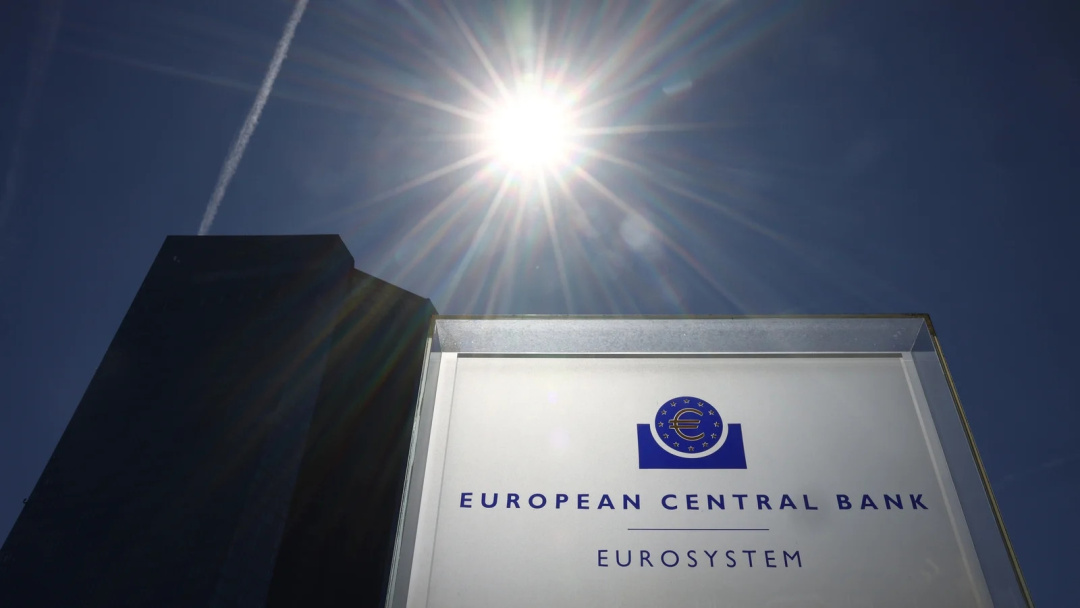
ECB May Pause Rate Hikes Amid Easing Energy Prices, Says Dolenc
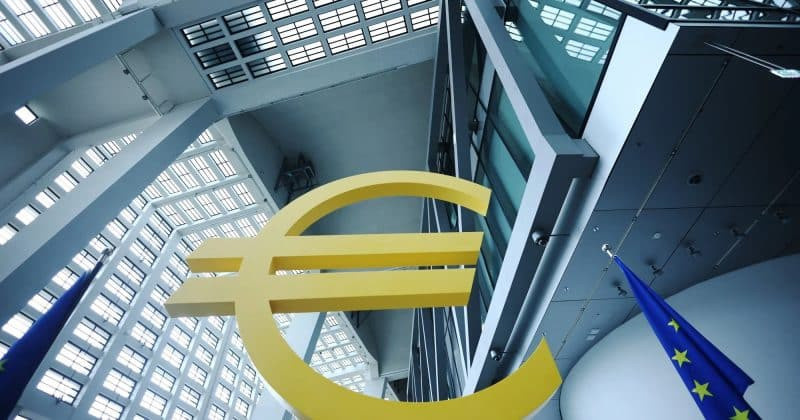
Primoz Dolenc, a member of the European Central Bank's (ECB) Governing Council and governor of Slovenia’s central bank, suggested on June 30 that the ECB may hold interest rates steady at its next meeting. This potential pause is attributed to easing energy prices, which have reduced the urgency for further tightening. Dolenc described the recent decline in oil prices as “more benign than expected,” indicating that the inflationary pressures that led to the ECB's June rate hike might be diminishing.
The ECB raised key interest rates by 25 basis points on June 11, marking its first increase since 2023. This adjustment brought the deposit facility rate to 2.25%, the main refinancing rate to 2.40%, and the marginal lending rate to 2.65%. The hike was prompted by rising energy prices linked to geopolitical tensions in the Middle East. However, with these pressures easing, Dolenc suggested that the central bank could afford to pause and reassess its strategy rather than continue with aggressive tightening.
Market Reading & Resources
Sponsor funding complete. Trade on.
While Dolenc did not guarantee a hold on rates, he acknowledged that there are scenarios where immediate tightening may not be necessary. However, he emphasized that this is not his baseline expectation due to ongoing geopolitical instability. The June rate hike represented a significant shift for the ECB, which had been cutting rates to support a sluggish eurozone economy throughout 2024 and 2025. The latest inflation projections for June 2026 indicate a headline inflation rate averaging 3.0%, exceeding the ECB's target of 2%.
Dolenc's remarks are particularly noteworthy as they come shortly after the June rate hike, suggesting internal debate within the Governing Council regarding future monetary policy. The relationship between monetary policy and digital asset prices has become increasingly intertwined since 2022, when aggressive rate hikes by both the Federal Reserve and the ECB coincided with a downturn in the cryptocurrency market. Higher interest rates typically make safe, yield-bearing assets more attractive compared to speculative investments, while steady or declining rates can reverse this trend.
As the eurozone grapples with a projected inflation rate of 3.0% and ongoing geopolitical risks, Dolenc's cautious optimism hinges on the trajectory of energy prices. Should oil prices continue to decline, the ECB's rationale for further rate hikes could weaken significantly. Conversely, if tensions in the Middle East escalate and crude prices rise again, Dolenc's outlook may appear overly optimistic.