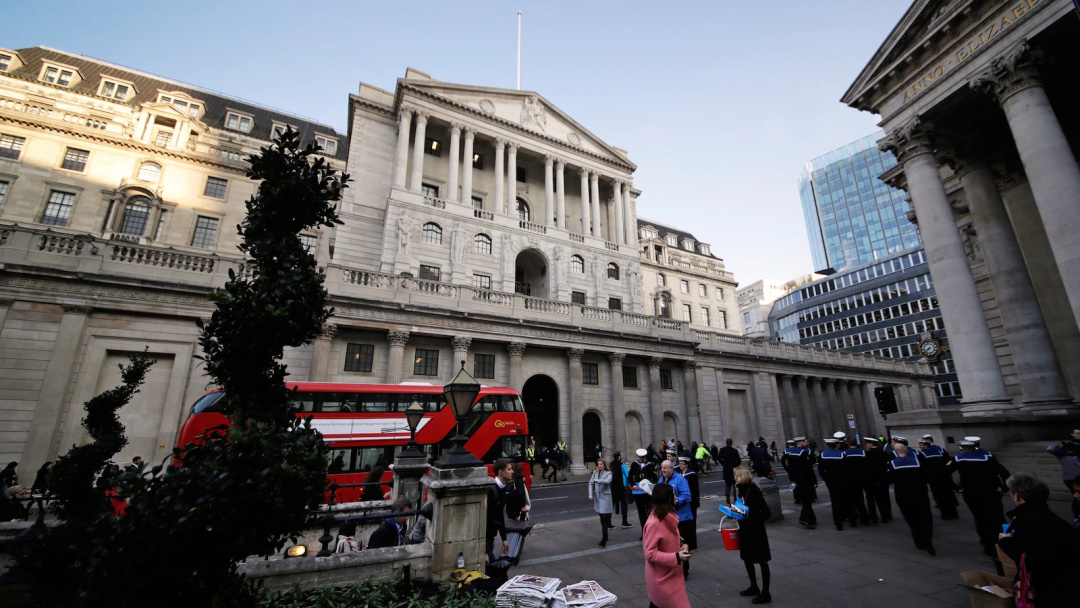
Bank of England's Bailey Signals No Immediate Rate Changes Amid Inflation
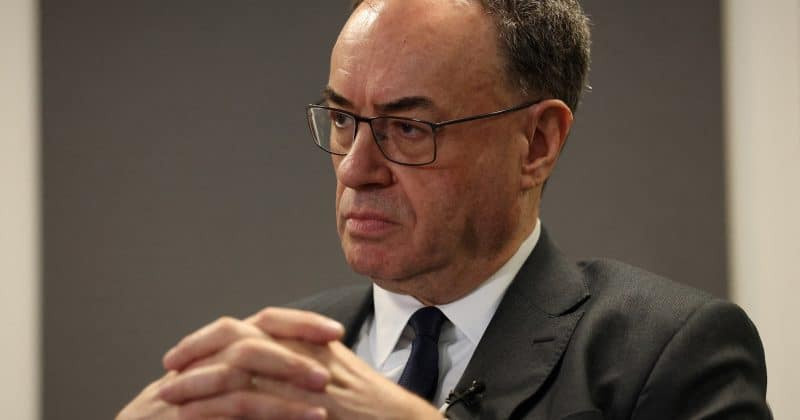
Bank of England Governor Andrew Bailey made it clear on June 30 that the central bank is in no rush to adjust interest rates, even as rising oil prices complicate the inflation landscape. His comments come amid a backdrop of uncertainty, including increased energy costs due to conflict in Iran and a softening UK economy. The Monetary Policy Committee (MPC) recently voted 7-2 to keep the Bank Rate at 3.75%, with two members advocating for a 25 basis point increase to 4%.
Bailey noted that inflation is likely to return to the 2% target later than the Bank would prefer, citing "some tightening built into the bond yield curve." This suggests that financial markets have already anticipated higher rates, reducing the need for immediate action from the Bank.
Market Reading & Resources
Sponsor funding complete. Trade on.
His remarks echo a stance he established in May, indicating that rates would likely remain at 3.75% through the summer. The next MPC meeting is scheduled for July 30, providing the committee time to monitor developments in energy prices, labor market data, and consumer spending before making a decision.
The Bank of England has maintained its policy rate at 3.75% for a significant period in 2026, navigating ongoing inflationary pressures, a cooling labor market, and external shocks. Bailey's willingness to tolerate a temporary overshoot in inflation signals a cautious approach, prioritizing economic stability over immediate rate hikes. Market reactions have shown limited expectations for further rate increases, aligning with Bailey's cautious messaging. The two MPC members who voted for a rate hike serve as a reminder that the threshold for action remains closer than the overall vote count might suggest.