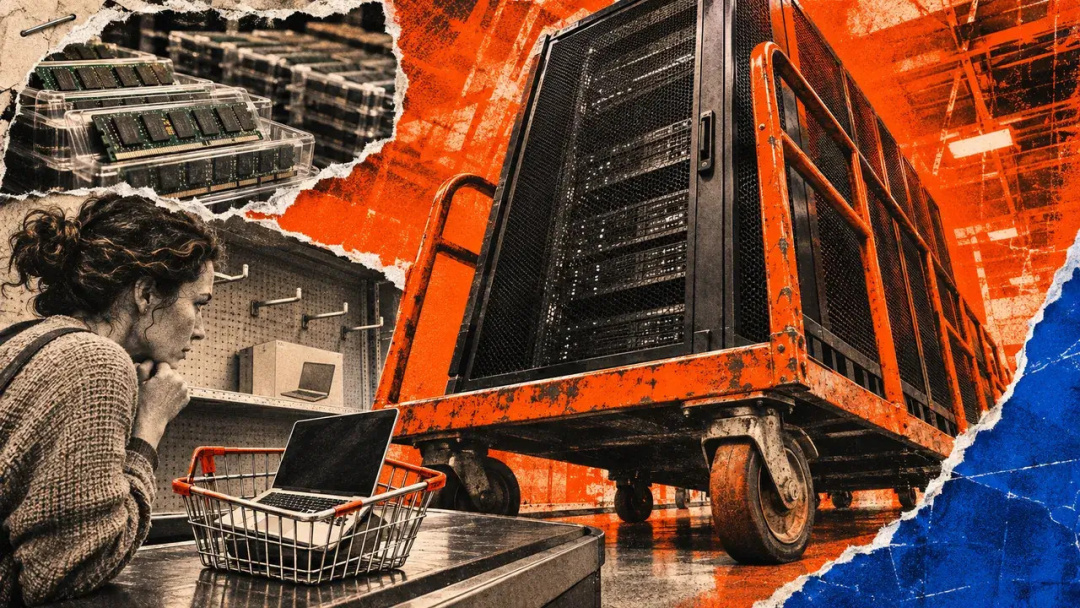
US Manufacturing Growth Reaches Four-Year High Amid AI Demand
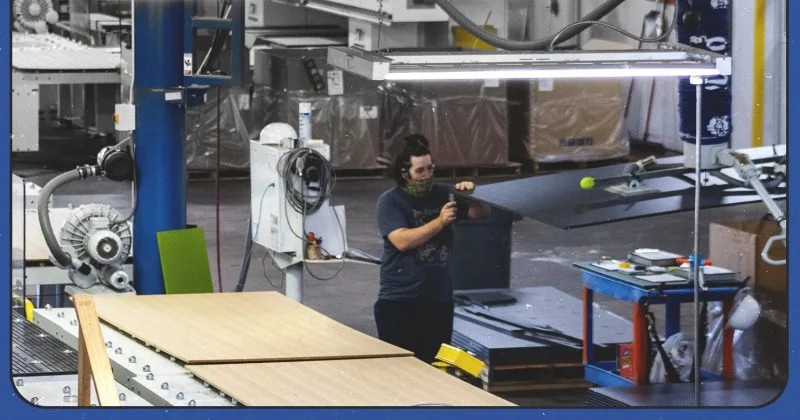
The ISM Manufacturing PMI has surged to 54.0 in May 2026, the highest level since May 2022, reflecting a robust recovery in US manufacturing, primarily fueled by a strong demand for AI hardware, semiconductors, and the data centers that support them. This positive trend is echoed by the S&P Global US Manufacturing PMI, which recorded values between 53.8 and 53.9 in July 2026, indicating a consistent increase in new orders and production output over the past year.
The backbone of this manufacturing renaissance includes semiconductor fabrication plants and data center construction. Between 2021 and 2024, factory construction spending in the US more than doubled, attracting a remarkable $2.42 trillion in foreign investments. This influx of capital has contributed to a record manufacturing value added of $2.91 trillion in 2024, establishing a new benchmark even before the full impact of AI-driven growth was realized.
Market Reading & Resources
Sponsor funding complete. Trade on.
Despite these advancements, the sector faces significant challenges. Supplier delivery times have deteriorated at one of the fastest rates in four years, and while input-cost inflation has eased to a four-month low in July 2026, it remains elevated. A looming shortfall of 3.8 million skilled workers threatens to cap the current growth trajectory, with business confidence dipping to its lowest level since October 2025, as indicated by recent PMI surveys.
In response to these pressures, projects focused on decentralized AI computing, such as Render and Akash, are emerging as potential alternatives. These initiatives aim to leverage the same demand dynamics observed in traditional manufacturing to create overflow opportunities for blockchain-based solutions. As traditional infrastructure experiences bottlenecks, decentralized options may become increasingly viable.
The substantial $2.42 trillion in foreign commitments to US factory construction also reflects broader trends in capital flows. A strengthening industrial base typically supports the dollar, which can create challenges for Bitcoin. However, this trend often coincides with a risk-on sentiment in technology sectors, historically linked to crypto market rallies.
The anticipated shortage of skilled workers is expected to exert upward pressure on labor costs, influencing inflation expectations. If inflation remains persistently high, the Federal Reserve may delay rate cuts, directly impacting the flow of capital into speculative assets. As the manufacturing sector continues to evolve, balancing growth with these emerging challenges will be crucial for sustaining momentum in the coming years.