Fed Chair Warsh Signals Potential Rate Hike as Inflation Reaches 4.1%
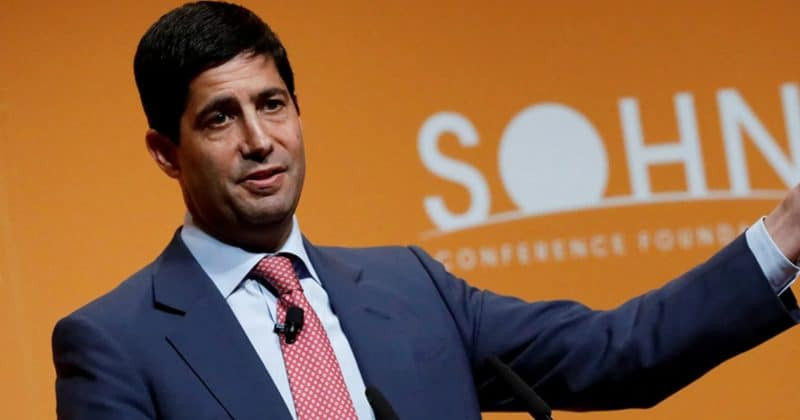
Kevin Warsh, recently appointed as the 17th Chair of the Federal Reserve, has made it clear that the Fed's commitment to its 2% inflation target is "unambiguous." At his inaugural FOMC meeting on June 17, Warsh opted to keep interest rates steady but hinted at a possible rate hike later this year, as inflation has surged to 4.1% as of May 2026, marking the highest level in three years.
Warsh's ascent to the Fed chairmanship was swift, following his nomination by President Trump on March 4, 2026, and subsequent Senate confirmation. When he was nominated, inflation stood at 3.3%, but it has since climbed significantly, indicating a worsening inflationary environment.
Market Reading & Resources
Sponsor funding complete. Trade on.
During his first meeting, Warsh underscored a "strong and unified commitment" to maintaining price stability. He conveyed to the markets that if inflation does not subside on its own, the Fed is prepared to take action to rein it in. The current inflation rate of 4.1% is influenced by various factors, including supply chain disruptions and geopolitical tensions, particularly those related to Iran, which have contributed to rising prices across multiple sectors.
The rapid increase from 3.3% to 4.1% within a few months suggests that inflationary pressures are intensifying. To return to the 2% target, the Fed may need to either see a significant easing of global supply issues or implement a more aggressive monetary tightening strategy that could slow economic growth.
Warsh's hawkish tone has been well-received by traditional investors. Should he proceed with a rate hike later in 2026, borrowing costs are expected to rise, which typically exerts downward pressure on equities, especially growth stocks and technology companies that depend on low borrowing costs. Conversely, fixed-income assets may become more appealing as yields increase, and the dollar is likely to strengthen in the short term.
The 4.1% inflation rate also raises interesting questions for Bitcoin's narrative as "digital gold." As inflation outpaces expectations, assets viewed as hedges against inflation may gain increased attention from investors.