Federal Reserve Holds Rates Steady Amid Rising Treasury Yields
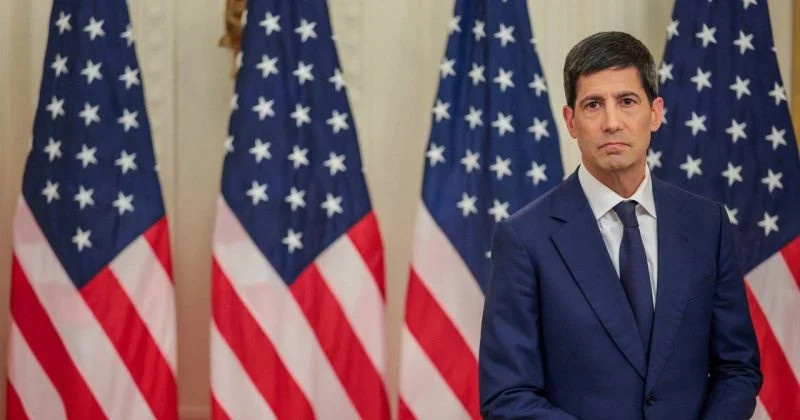
On July 29, 2026, Federal Reserve Chair Kevin Warsh presided over an FOMC meeting that resulted in the federal funds rate remaining unchanged at 3.5% to 3.75%. Although this decision appears neutral, it may have tightened financial conditions more than an actual rate hike would have. The vote to hold rates was 9-3, with three members advocating for an increase, reflecting a divergence in views within the committee. Warsh, who has been in the role since May 22, 2026, emphasized that this was not a mere 'pause' but a 'rigorous review' of economic conditions, signaling a proactive approach to potential future rate adjustments.
The market's immediate reaction was mixed. While the probabilities for near-term rate hikes decreased, long-term Treasury yields increased, which is significant for the broader economy. Short-term rates are directly controlled by the Fed, but long-term yields influence the costs of mortgages, corporate borrowing, and capital investments. Rising long-term yields can indicate market expectations of persistent inflation, leading to tighter economic conditions.
Market Reading & Resources
Sponsor funding complete. Trade on.
Warsh's communication style marks a departure from his predecessors. His refusal to label the rate hold as a 'pause' suggests a more serious reassessment of whether rates may need to rise. The dissenting votes for a hike indicate that the committee is not entirely unified, suggesting that the threshold for raising rates may be lower than previously anticipated.
In early July, Warsh's candid remark that 'prices are too high' stood out, as central bankers typically use more cautious language to avoid unsettling markets. Although the FOMC meeting did not address cryptocurrencies or digital assets, the implications of the Fed's decisions are significant for these markets.
Historically, Bitcoin and the broader cryptocurrency market have reacted to changes in real interest rate expectations. As long-term yields rise due to inflation concerns, the opportunity cost of holding non-yielding assets like Bitcoin increases, making Treasuries with risk-free returns more attractive. This shift can lead to capital moving away from speculative investments in cryptocurrencies.
The 'higher for longer' narrative has affected crypto markets throughout 2023 and 2024, and it seems to be resurfacing under Warsh's leadership. For cryptocurrency traders, monitoring the 10-year Treasury yield will be crucial, as it serves as a key indicator of market sentiment. Additionally, yields on stablecoins and decentralized finance (DeFi) lending rates may face downward pressure as traditional finance offers more competitive risk-free returns, potentially narrowing the yield advantage that has attracted capital to on-chain lending protocols.