ECB's Olli Rehn Advocates Flexible Rate Policy Amid Inflation Concerns
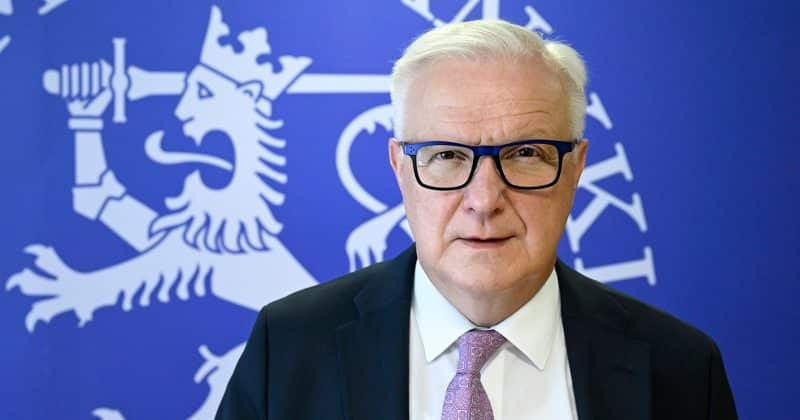
Olli Rehn, Governor of the Bank of Finland and a member of the European Central Bank (ECB) Governing Council, has urged the ECB to maintain flexibility in its interest rate policy. In a recent interview with Reuters, Rehn cautioned against locking in a predetermined rate path ahead of the ECB's upcoming decision on June 11. He highlighted the ongoing geopolitical uncertainties, particularly the US-Iran conflict, which have contributed to volatility in energy markets and inflation across the euro area.
As inflation in the euro area has recently exceeded the ECB's target of 2%, largely due to rising oil prices linked to geopolitical tensions, Rehn's message to the markets is clear: assumptions about future rate hikes should be avoided. Current market expectations suggest a potential increase in the deposit facility rate from 2% to a range of 2.5% to 2.75%. However, Rehn emphasizes that the ECB's decisions will be data-driven and not dictated by market speculation.
Market Reading & Resources
Sponsor funding complete. Trade on.
Rehn's argument is based on two key points. First, he notes that medium-to-long-term inflation expectations in the euro area remain anchored at around 2%. Second, he sees limited signs of second-round effects, such as wage-price spirals, where rising costs lead to increased wage demands and further price hikes. He also mentioned that a potential ceasefire in the US-Iran conflict could alleviate some price pressures, contributing to a more stable economic environment.
Since taking office as Governor of the Bank of Finland in 2018, Rehn has consistently advocated for a monetary policy that adapts to changing conditions rather than adhering to rigid forward guidance. He reiterated that the ECB will consider the latest economic projections and data before making any decisions regarding interest rates.
The situation in the US-Iran conflict remains a critical factor influencing euro-area inflation. Oil prices serve as the primary channel through which geopolitical risks affect inflation. A ceasefire or de-escalation could lead to a more cautious approach from the ECB regarding rate hikes, while any escalation that drives oil prices higher could prompt a more aggressive tightening stance.
The implications of these decisions extend beyond traditional markets; the cryptocurrency sector could also feel the impact. Higher interest rates in major economies typically draw capital away from riskier assets, including digital currencies. A surprise increase to the higher end of the anticipated rate range could pose challenges for crypto prices, while a more gradual approach might provide a relatively dovish outcome compared to current market expectations.