Trump's Tariff Strategy Affects Inflation and Bitcoin Market
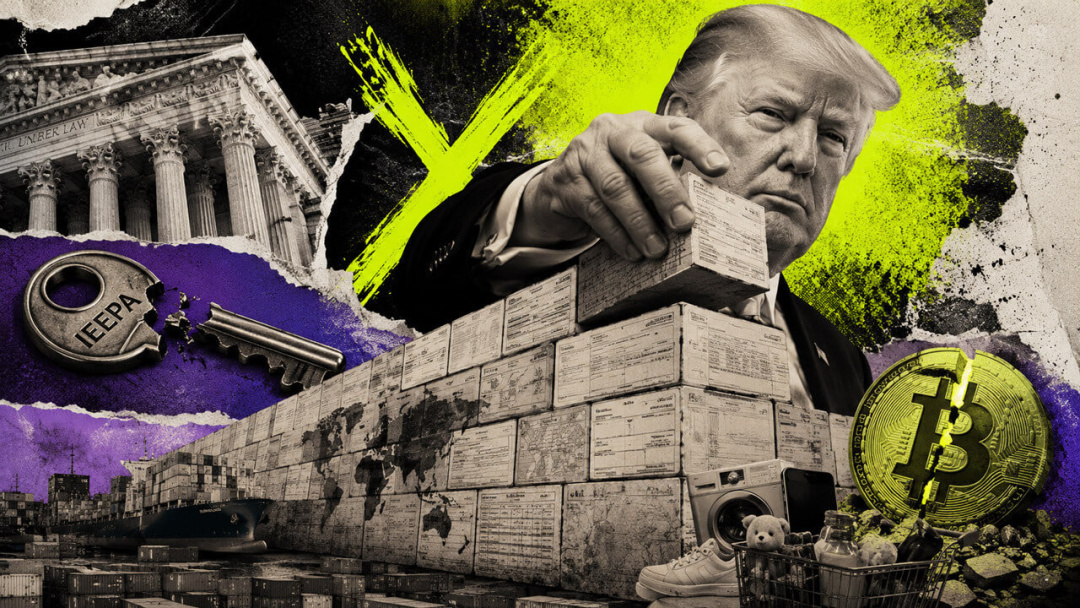
In February, the Supreme Court ruled that Donald Trump could not use emergency powers to impose tariffs on imports, a decision that initially seemed to close the door on his administration's tariff strategy. However, the White House quickly pivoted, finding alternative legal avenues to impose tariffs on goods from 60 trading partners, with rates set at either 10% or 12.5%. This new tariff regime, while more complex, has raised concerns for Bitcoin investors, as it intertwines with inflation, Treasury yields, and the broader economic landscape.
Trump's original tariff strategy relied on the International Emergency Economic Powers Act (IEEPA), which the Supreme Court ruled could not be used to impose tariffs. This left the administration to explore other legal frameworks, leading to the invocation of Section 122 of the Trade Act to impose a temporary surcharge. However, this surcharge was limited to 150 days, necessitating a search for a more permanent solution.
Market Reading & Resources
Sponsor funding complete. Trade on.
The administration then initiated investigations under Section 301, focusing on foreign practices deemed unreasonable or discriminatory, particularly concerning forced labor. The Office of the United States Trade Representative concluded that these practices burdened American commerce, paving the way for new duties. The investigations involved extensive consultations and public comments, providing a legal basis for the tariffs while also creating a substantial record for potential legal challenges.
The new tariff system has raised questions about its impact on consumer prices and inflation. As importers pass on higher costs to consumers, inflation could remain elevated, complicating the Federal Reserve's ability to justify interest rate cuts. The Fed's July Monetary Policy Report indicated that previous tariff increases had already contributed to rising domestic prices. This persistent inflation could lead to higher Treasury yields, creating competition for Bitcoin as an investment and affecting its market dynamics.
Tariffs also influence the broader economic environment, impacting how companies operate and how consumers spend. For instance, an American retailer importing a product subject to a 10% tariff may choose to raise prices, reduce profit margins, or alter supply chains, all of which can have cascading effects on the economy. The complexity of the new tariff regime, with various exemptions and classifications, adds to the uncertainty for importers and consumers alike.
While the administration argues that the new duties will not significantly affect the economy, the reality is that tariffs are a double-edged sword. They are designed to punish foreign practices while generating revenue for the government. However, the effectiveness of these tariffs in achieving their intended goals remains to be seen, particularly as they relate to inflation and the evolving landscape of the Bitcoin market.
Bitcoin's response to these economic changes is multifaceted. Tariffs can lead to higher inflation, which may deter investment in speculative assets like Bitcoin. Additionally, rising Treasury yields can make government bonds more attractive, further pressuring Bitcoin's market performance. The cryptocurrency market is also sensitive to immediate reactions, often responding to tariff announcements before traditional markets fully adjust.
In conclusion, the evolving tariff strategy under Trump's administration not only affects international trade but also has significant implications for inflation and the Bitcoin market. As the administration navigates these complex economic challenges, the interplay between tariffs, inflation, and cryptocurrency will continue to shape the financial landscape.