RBI Expected to Maintain Repo Rate in August Amid Inflation Concerns
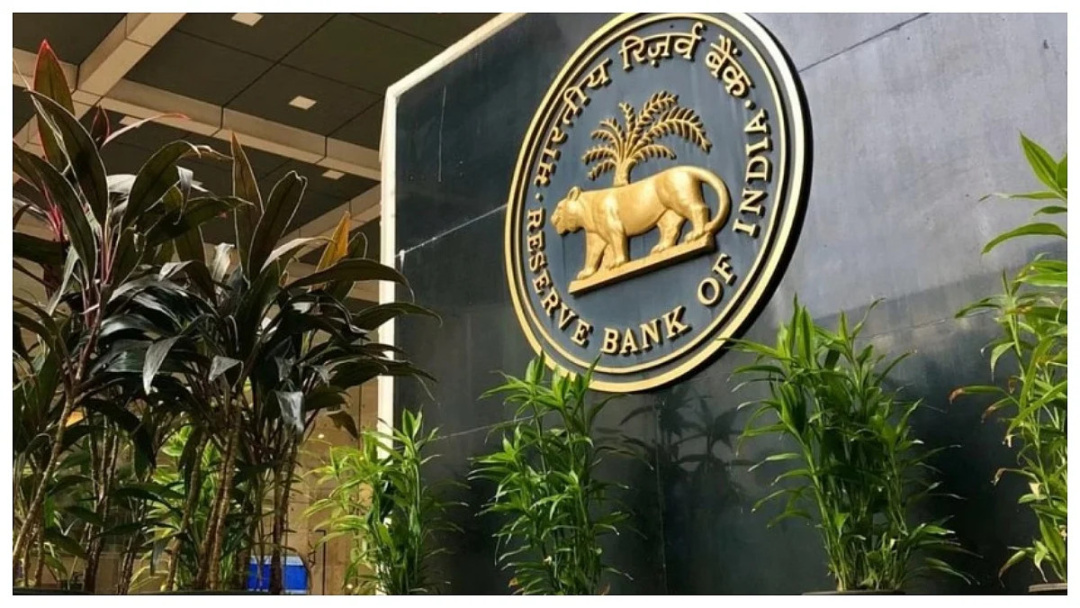
The Reserve Bank of India (RBI) is expected to maintain the benchmark repo rate during its upcoming monetary policy review in August. Economists predict that the central bank will continue to prioritize inflation risks, even as domestic growth shows stability. A recent poll conducted by PTI among ten economists and treasury heads indicates a consensus that the Monetary Policy Committee (MPC) will uphold its 'Neutral' policy stance while adopting a hawkish tone. The MPC meeting is scheduled for August 3 to 5.
Concerns about inflation have intensified due to rising crude oil prices, geopolitical tensions, and an uneven monsoon season. Aditi Nayar, Chief Economist at ICRA, noted that while core inflation remains under control, maintaining the current interest rates is the most prudent course of action. She anticipates that the RBI will convey a cautious outlook through its policy guidance.
Market Reading & Resources
Sponsor funding complete. Trade on.
RBI Governor Sanjay Malhotra has consistently emphasized that inflation is the central bank's primary focus, with the progress of the monsoon season being a critical factor in their assessments. Although no immediate changes to policy are expected in August, many economists believe that the RBI may consider raising interest rates later in the fiscal year if inflationary pressures persist.
Since last year, the RBI has reduced the repo rate by a total of 1.25 percentage points to stimulate economic growth. Balasubramanian R, Head of Treasury at Dhanlaxmi Bank, expressed that the RBI is likely to adopt a hawkish pause, advising that supply-driven inflation should be closely monitored before any further policy actions are taken.
Opinions on India's growth outlook are mixed. Some economists foresee resilient domestic demand supporting a higher GDP growth forecast, while others highlight risks stemming from slowing global demand, increased energy costs, and geopolitical uncertainties. Gaura Sengupta, an economist at IDFC FIRST Bank, pointed out that inflation is primarily influenced by supply-side factors, suggesting that fiscal measures may be more effective than monetary tightening in addressing these challenges.
Most economists also expect the RBI to refrain from implementing major liquidity measures in August, although they may continue variable-rate repo auctions and open market operations as necessary to ensure orderly market conditions.