Bundesbank Chief Warns Inflation May Remain High Post US-Iran Deal
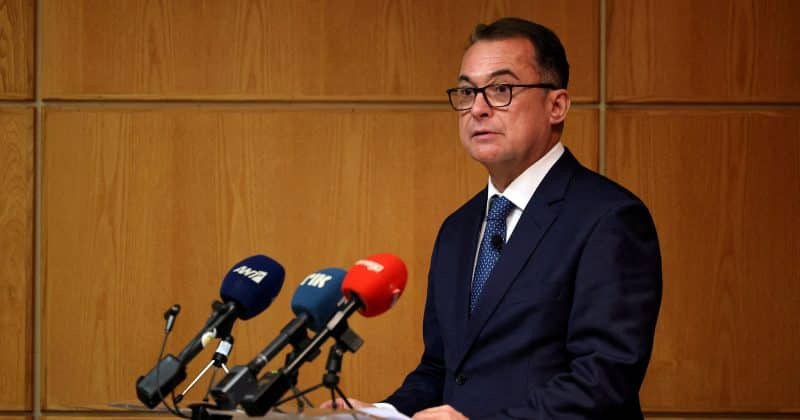
Bundesbank President Joachim Nagel issued a warning on June 15 regarding the potential for persistent inflation in the eurozone, even following a recent agreement between the US and Iran to end hostilities. He highlighted that disruptions in energy markets caused by the Iran conflict could keep inflation rates above the European Central Bank's (ECB) target for an extended period. This perspective diverges from that of ECB President Christine Lagarde, who expressed optimism about the deal's potential to lower energy costs.
Nagel's concerns stem from the understanding that while diplomatic agreements may resolve conflicts, the recovery of energy markets often lags behind. He noted that normalization of oil supply could take several months, meaning that the inflationary pressures initiated by the conflict would not simply dissipate with the signing of a peace agreement.
Market Reading & Resources
Sponsor funding complete. Trade on.
This is not the first time Nagel has raised alarms about inflation linked to the Iran situation. In March 2026, he warned that ongoing tensions could elevate inflation and hinder economic growth in the eurozone. His recent remarks suggest he remains skeptical about the immediate alleviation of inflationary threats, despite the diplomatic progress.
The ECB had already raised interest rates on June 11, just days before Nagel's comments, marking it as the first major central bank to explicitly connect a rate hike to the inflationary impacts of the Iran conflict. The ECB's mandate focuses on maintaining price stability, defined as keeping inflation near the 2% target. If Nagel's assessment holds true, the ECB may face ongoing pressure to adjust rates further, as inflation could remain significantly above the target for months.
For investors in eurozone risk assets, Nagel's warning serves as a cautionary signal. Sustained inflation above the target could extend the ECB's tightening cycle longer than some market participants anticipated following the US-Iran agreement. The critical factor to monitor will be the pace of oil supply normalization. Should it occur more swiftly than Nagel predicts, the inflationary pressures he foresees might ease, allowing the ECB to reconsider its approach. Conversely, if the lag is as significant as he suggests, the June 11 rate hike could be just the beginning of a series of adjustments.