South African Rand Trading Surges Amid Iran Conflict Volatility
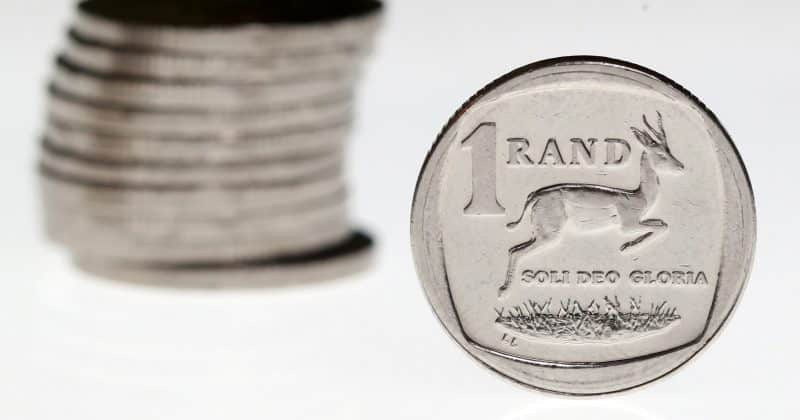
The first quarter of 2026 saw a significant increase in trading activity for the South African Rand, with average daily volumes rising by 20% as geopolitical tensions from the escalating Iran conflict created uncertainty in global markets. This surge in activity was particularly pronounced in late February and early March, as traders adjusted their positions in response to the evolving situation.
During this period, the Rand experienced a wide trading range against the US dollar, fluctuating between 16.2 and 18.25. The conflict also led to a spike in Brent crude oil prices, which added further pressure on South Africa’s economy. As a major oil importer, rising energy costs directly impacted domestic inflation, while higher fertilizer prices affected the agricultural sector and household budgets.
Market Reading & Resources
Sponsor funding complete. Trade on.
The South African Reserve Bank (SARB) was vigilant in monitoring the economic landscape, facing the challenge of supporting a fragile domestic economy while also defending the Rand against external shocks. The central bank's policy decisions were influenced by the need to manage inflation stemming from increased energy and food prices.
In addition to forex markets, the decentralized prediction platform Polymarket reported over $529 million in trading volumes on contracts related to potential military actions between the US and Iran during this tumultuous period. This highlights the broader impact of geopolitical events on market sentiment.
Cryptocurrencies, including Bitcoin, also experienced notable price fluctuations linked to the conflict. Risk-off sentiment prevailed during periods of escalation, followed by relief rallies as peace negotiations appeared to progress as June approached.
For investors with exposure to the Rand, the events of Q1 serve as a reminder of South Africa's complex economic position. The country is a significant commodity exporter, benefiting from rising resource prices, yet it also faces challenges from imported energy costs. The trading range of 16.2 to 18.25 USD/ZAR reflects the potential downside risks associated with external shocks.
If inflation driven by energy and food costs remains persistent, the SARB may be compelled to maintain elevated interest rates, which could weigh on economic growth while providing some support for the currency.











