ECB's Wunsch Signals Caution on Future Rate Hikes, Impacting Crypto Markets
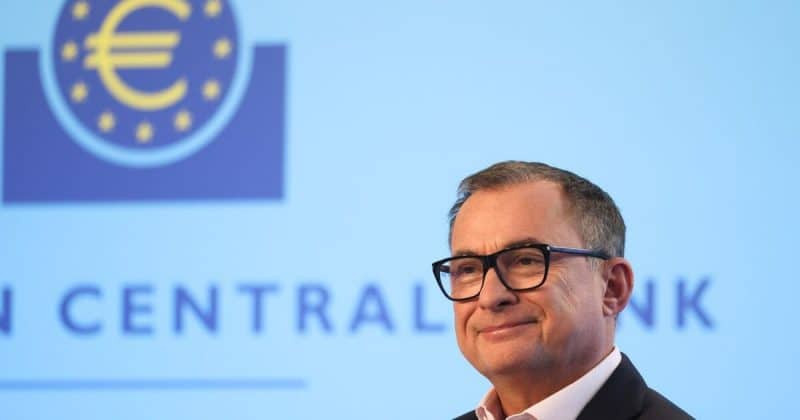
Pierre Wunsch, the Governor of the National Bank of Belgium and a member of the European Central Bank (ECB) Governing Council, expressed a more cautious outlook on interest rate hikes during a statement on June 19. He noted that the case for further increases is weakening, suggesting that the ECB could potentially lower rates if inflation dynamics shift. This statement comes shortly after the ECB raised its deposit facility rate by 25 basis points to 2.25% on June 11, marking its first hike since 2023.
In May, services inflation reached 3.5%, with overall inflation projections for 2026 averaging around 3.0%. Wunsch emphasized the need for a data-driven approach, particularly in light of geopolitical tensions, such as those involving Iran, which have contributed to energy price volatility. He also pointed out the importance of monitoring second-round inflation effects, particularly whether rising prices are influencing wage demands and broader cost structures or if the initial inflation impulse is subsiding.
Market Reading & Resources
Sponsor funding complete. Trade on.
Historical data indicates that increases in ECB long-term interest rates have negatively affected the prices of cryptocurrencies like Bitcoin and Ethereum. Conversely, expansions of the ECB's balance sheet have generally supported these digital assets. The recent rate hike has created additional headwinds for cryptocurrencies, as research shows that such increases can adversely impact assets like Tether, tightening the liquidity environment and shifting capital flows towards traditional yield instruments.
Wunsch acknowledged that while another rate hike is still a possibility for July, the next few weeks will be critical in determining the ECB's course of action. If services inflation shows signs of cooling or if energy prices stabilize, the argument for pausing further hikes could become compelling. However, there remains a risk that inflation may prove more persistent than anticipated. If the services inflation rate does not decline or if geopolitical tensions drive energy costs higher, the ECB may have to continue tightening its monetary policy.