Federal Reserve's Unclear Signals Heighten Investor Uncertainty
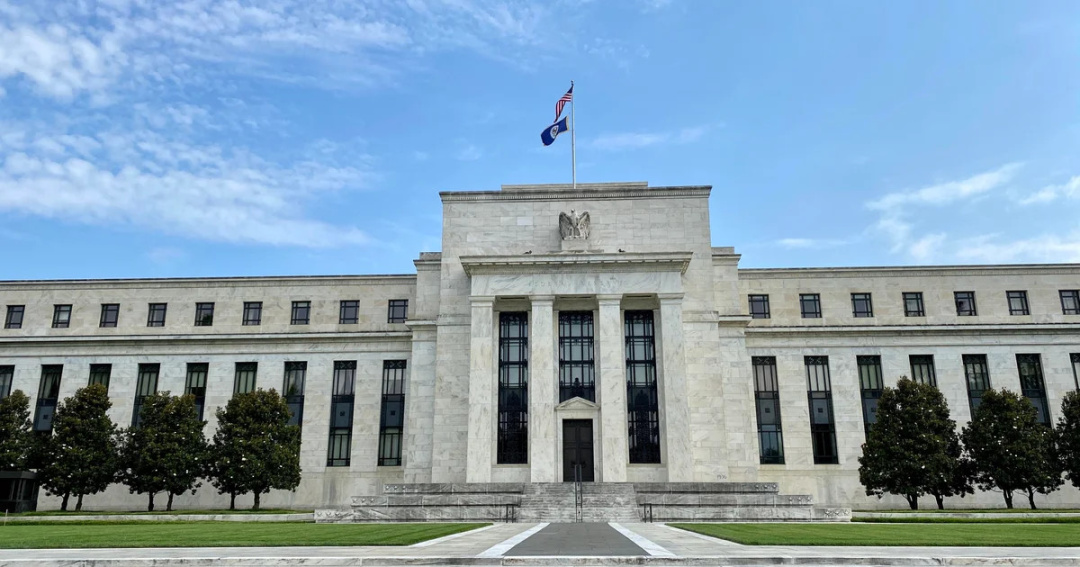
The Federal Reserve opted to keep interest rates steady during its July 28-29 meeting, maintaining the federal funds rate at 3.5% to 3.75%. This decision, led by Fed Chair Kevin Warsh, who took office on May 13, 2026, marks a significant shift as he has chosen to reduce forward guidance, a practice that previously allowed markets to anticipate the Fed's moves months in advance. The vote was not unanimous, with a split of 9-3; dissenting members Beth M. Hammack, Neel Kashkari, and Lorie K. Logan advocated for a 25 basis point increase. Inflation continues to exceed the Fed's 2% target, influenced by supply shocks and external pressures. The Fed's statement acknowledged solid economic growth while also highlighting "elevated uncertainty" due to ongoing geopolitical conflicts, particularly in the Middle East. Warsh's approach contrasts with his predecessors, who relied on press conferences and detailed minutes to communicate intentions. Instead, he emphasizes a data-dependent strategy, indicating that the Fed will respond to economic data as it emerges rather than committing to a predetermined course of action. Investors are now looking ahead to the Jackson Hole economic symposium scheduled for August 27-29, a key event where past Fed leaders have made significant announcements regarding monetary policy. The minutes from the June 16-17 FOMC meeting, released on July 8, revealed the committee grappling with the dual challenges of persistent inflation and geopolitical instability that could hinder economic growth. The dissenting votes are particularly noteworthy; should inflation data remain high in the coming weeks, these dissenters could shift to a majority position at the September meeting, potentially altering the Fed's course.
Market Reading & Resources
Sponsor funding complete. Trade on.