Lawsuit Alleges Samsung, Micron, SK Hynix Colluded to Inflate DRAM Prices
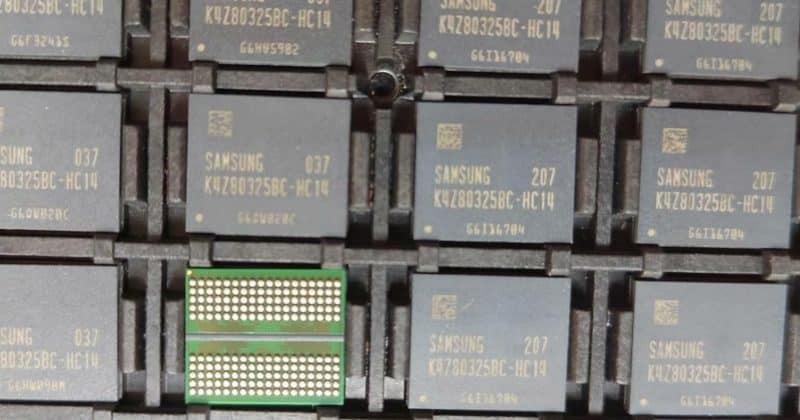
A class-action lawsuit has been filed against Samsung Electronics, SK Hynix, and Micron Technology, alleging that the three companies, which control approximately 90% of the global DRAM market, colluded to inflate prices by around 700% over a four-year period. The lawsuit, initiated on June 25 in the Northern District of California, is brought by seventeen plaintiffs, including individuals and small businesses involved in PC assembly and distribution, under the case name Garciaguirre et al v. Samsung Electronics Co., Ltd. et al.
The plaintiffs claim that the dominant DRAM manufacturers coordinated to restrict the supply of commodity DRAM, specifically DDR3 and DDR4 memory, while simultaneously shifting their production focus to high-bandwidth memory (HBM) used in artificial intelligence applications. This alleged supply restriction reportedly began around 2022, coinciding with a significant price surge.
Market Reading & Resources
Sponsor funding complete. Trade on.
The complaint asserts that the actions of these companies violate Section 1 of the Sherman Antitrust Act, a key U.S. law against anti-competitive practices. It argues that the defendants employed inventory management strategies and the industry's transition to HBM as justifications for their production cuts, despite strong demand for standard DRAM during this time, suggesting that the supply reductions lacked legitimate market rationale.
This is not the first instance of such allegations against these companies. SK Hynix previously faced a $185 million fine in 2005 for price-fixing activities that occurred between 1998 and 2002, establishing a precedent for price manipulation in the DRAM market. Additionally, a similar class-action lawsuit concerning DRAM price spikes from 2016 to 2018 was dismissed on appeal in 2022, which may influence the current plaintiffs' strategy as they seek to provide stronger evidence of explicit collusion to withstand potential motions to dismiss.
As of June 30, there have been no admissions of liability or settlements reported, and the case remains in its early stages. The timeline for resolution in federal antitrust litigation is typically lengthy, often spanning years. The plaintiffs face a significant burden of proof, needing to demonstrate not only parallel behavior but actual agreements or conspiracies to restrain trade. However, the striking 700% price increase figure could capture the attention of judges and juries, especially if the plaintiffs can substantiate their claims with robust pricing data and evidence of synchronized production cuts that exceed market forces' explanations.