Trump Demands Gasoline Prices Drop to $2.50 per Gallon
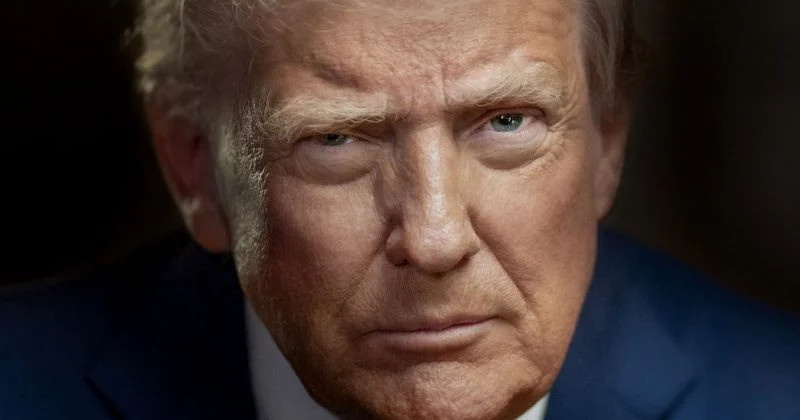
On June 29, President Trump took to Truth Social to demand that gasoline retailers reduce prices to approximately $2.50 per gallon, warning of significant repercussions if they do not comply. This ultimatum is part of a broader campaign aimed at pressuring energy companies to pass on wholesale savings to consumers, particularly as crude oil prices have remained relatively low, trading between $60 and $68 per barrel. Trump argues that lower raw material costs should translate to lower consumer prices.
This demand is not an isolated incident; it follows similar statements made by Trump on June 24 and June 25, where he accused oil companies of failing to pass along reduced wholesale costs to consumers. On June 25, he directed the Department of Justice to investigate the pricing practices of oil companies, focusing on the disparity between what retailers pay for fuel and the prices consumers see at the pump. California was specifically mentioned, with Trump criticizing the state's fuel tax policies as a burden on drivers.
Market Reading & Resources
Sponsor funding complete. Trade on.
Gasoline prices are affected by a variety of factors, including refining costs, distribution and marketing expenses, federal and state taxes, and retailer margins. The phenomenon known as "rockets and feathers" describes how prices tend to rise quickly when crude oil prices increase but fall slowly when they decrease, often leaving consumers paying more for longer periods.
The U.S. gasoline retail market is highly fragmented, with thousands of independent operators and major branded stations. This fragmentation complicates the potential for a coordinated nationwide price reduction through regulatory pressure. While campaign rhetoric can be dismissed, a sitting president's directive for a DOJ investigation introduces real legal risks for oil companies, even if no charges are ultimately filed. The costs associated with compliance and legal scrutiny can impact profit margins.
Refiners and integrated oil companies now find themselves in a challenging position, balancing the president's demands for lower consumer prices against the expectations of shareholders for returns. If prices are driven down to $2.50 per gallon, it raises questions about who in the supply chain will absorb the financial impact.
Lower gasoline prices can act as a de facto tax cut for consumers, reducing transportation costs and potentially easing inflationary pressures across the economy. As the situation unfolds, the implications of Trump's ultimatum could resonate beyond the fuel industry, affecting broader market dynamics.