Japanese Yen Weakens Past ¥162, Sparks Intervention Speculation
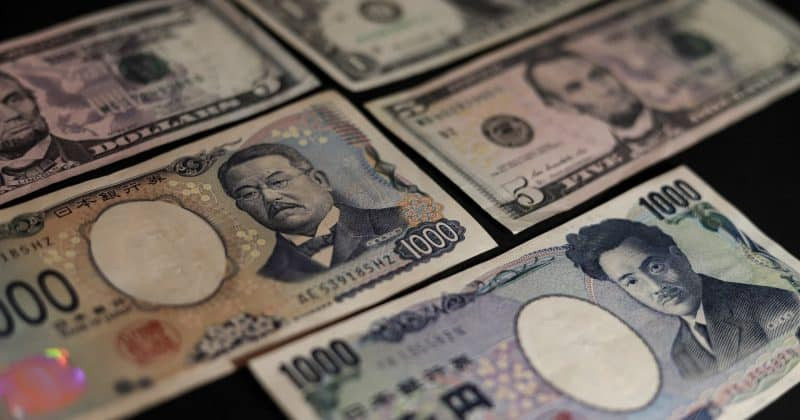
On June 30, the Japanese yen dropped to ¥162 against the US dollar, marking its weakest point since December 1986. This significant decline has reignited speculation regarding potential intervention by Japan’s finance ministry, following a record ¥11.7 trillion (approximately $72.5 billion) spent on currency support between late April and late May 2026. This intervention had briefly strengthened the yen, pushing the exchange rate back toward the mid-150s, but the dollar's resurgence has since dragged the USD/JPY rate above 160 and now past the 162 threshold.
The primary issue driving the yen's weakness is the persistent interest rate differential between the US and Japan. The Federal Reserve has maintained elevated interest rates to combat inflation, while the Bank of Japan, despite making tentative moves toward normalization, continues to operate with significantly lower rates. Finance Minister Satsuki Katayama has indicated a readiness to counter excessive yen weakness, as the ¥160 level has historically been a psychological threshold for intervention.
Market Reading & Resources
Sponsor funding complete. Trade on.
Analysts suggest that the 160-162 range represents a critical zone for Japanese authorities, where intervention becomes likely. However, traders often position themselves in anticipation of such actions, which can diminish their effectiveness. The scale of Japan's recent interventions has drawn attention from US Treasury officials, particularly given the substantial amount spent in a short period.
For Japanese exporters like Toyota and Sony, a weaker yen can provide a competitive advantage in international markets, as their products become more affordable abroad. However, this situation poses challenges for Japanese consumers and importers, who face increased costs for imported goods, including energy and food. At ¥162, the cost of imports is significantly higher than when the yen was trading at ¥140 or ¥150.
The weakening yen also raises inflation expectations, which may pressure the Bank of Japan to consider raising rates more aggressively than it would prefer. As long as the interest rate gap between the US and Japan remains wide, the yen is likely to encounter ongoing structural challenges that intervention alone cannot resolve. Japan's recent spending of $72.5 billion has provided only temporary relief from these pressures.