Yield Curve Signals End of Fed Rate Hikes
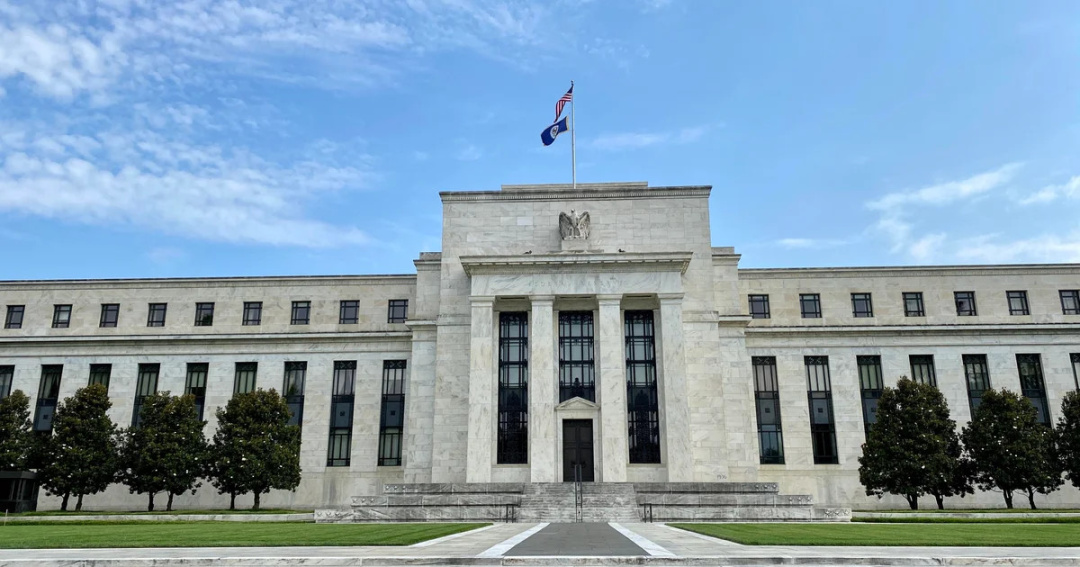
The US Treasury yield curve has recently undergone a notable shift, following the Federal Reserve's decision on July 29 to keep its benchmark interest rate steady at 3.5%-3.75% for the fifth consecutive meeting. This development indicates that markets are increasingly convinced that the Fed is done raising rates. Long-term yields have increased, while the probability of a rate hike in September has significantly decreased, prompting bond traders to adjust their positions accordingly.
The yield curve twist observed around July 31 conveys a clear message. Short-term yields, which are more sensitive to immediate Fed policy, remained relatively stable, while long-term yields rose. This increase reflects expectations of sustained economic growth and persistent inflation, rather than concerns about further rate hikes. The distinction is crucial; rising long-term yields due to anticipated hikes signal one economic outlook, while those driven by expectations of a stable, elevated rate environment suggest a different trajectory for the economy.
Market Reading & Resources
Sponsor funding complete. Trade on.
The Fed's decision was not without dissent, as three members of the Federal Open Market Committee (FOMC)—Beth Hammack, Neel Kashkari, and Lorie Logan—advocated for a 25-basis-point increase. However, the majority's decision to maintain the current rate has been interpreted by the market as confirmation that the tightening cycle is effectively over. The pattern of five consecutive meetings without a rate change is significant, leading many to view the current pause as potentially permanent.
The broader economic context for 2025 and 2026 has been characterized by a struggle between persistent inflation and resilient economic growth. The movements in the yield curve during this period have mirrored this tension, with traders adjusting their expectations from meeting to meeting. What sets the current situation apart is the consistency of the signals being sent: five holds, a yield curve twist indicating a shift away from further hikes, and a rapid decline in the odds of a September rate increase all point in the same direction.
Despite the prevailing sentiment, the dissenting opinions from Hammack, Kashkari, and Logan highlight that the possibility of further tightening is not entirely off the table. Should inflation data in August surprise to the upside, their hawkish stance could gain momentum.
For investors, the belief that rates have peaked alters the calculus for holding risk assets. Higher interest rates typically increase the opportunity cost of owning equities, real estate, and cryptocurrencies. With Treasury bills yielding over 3.5%, they compete for capital that might otherwise flow into Bitcoin and other digital assets.
Additionally, the yield curve twist has implications for the US dollar. A market that anticipates no further rate hikes generally leads to a weaker currency, which can benefit dollar-denominated assets like Bitcoin. Historically, Bitcoin has shown an inverse relationship with dollar strength during significant macroeconomic shifts.
While the three FOMC dissents suggest that the door to further tightening remains ajar, persistent inflation could quickly reignite discussions on rate increases. The rise in long-term yields, reflecting growth expectations rather than fears of additional hikes, indicates that borrowing costs across the economy will remain elevated.
Traders should closely monitor two key factors in the coming weeks: first, the August inflation data will either confirm the market's belief that the Fed is done with rate hikes or disrupt that narrative. Second, the behavior of long-term yields will reveal whether the recent curve twist represents a lasting change in market dynamics or merely a temporary reaction to a single meeting.