Fed Officials Warn Against Steady Rates Amid Persistent Inflation
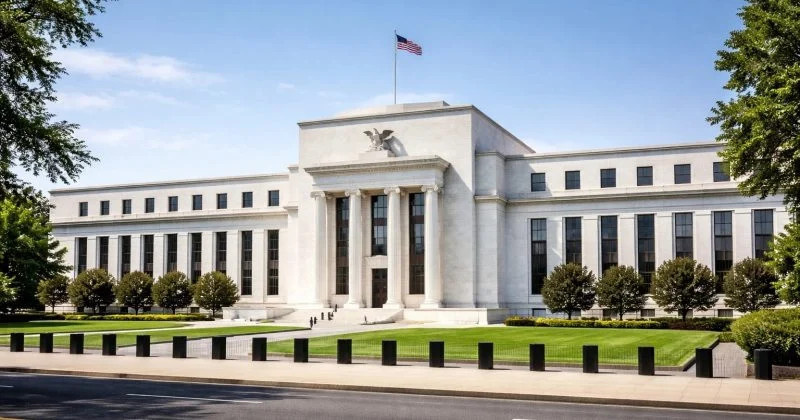
Federal Reserve officials are raising alarms about the decision to keep interest rates steady, as inflation continues to linger above the central bank's target. On July 29, 2026, the Federal Open Market Committee voted 9-3 to maintain the federal funds rate in the range of 3.5% to 3.75%. This decision was met with dissent from three regional presidents: Beth Hammack of the Cleveland Fed, Neel Kashkari of Minneapolis, and Lorie Logan of Dallas, who argued for a 25 basis point increase. They contend that inflation has remained above the Fed's 2% target for over five consecutive years, suggesting that inaction is not a viable strategy.
The dissenting officials pointed to two significant issues. First, domestic inflation has shown resilience despite efforts to control it. Second, geopolitical tensions, particularly in the Middle East, are threatening energy supply chains, which have historically influenced inflation metrics closely monitored by the Fed. Chair Kevin Warsh, in his first full year leading the Fed, sided with the majority to keep rates unchanged.
Market Reading & Resources
Sponsor funding complete. Trade on.
Since early 2026, rates have remained steady following three cuts made in late 2025. The announcement provided a brief respite for risk assets, with Bitcoin rising approximately 1% to around $64,250, Ether gaining about 1% to approximately $1,915, and XRP increasing around 3% to about $1.08. Despite improving institutional flows into Bitcoin exchange-traded funds, macroeconomic uncertainty continues to pose challenges. Each time inflation data exceeds expectations, the prospect of rate cuts diminishes, impacting the momentum that previously fueled crypto market rallies.
Looking ahead, the September FOMC meeting is now a focal point for traders. If inflation data surprises to the upside before the meeting, the dissenting voices within the Fed may gain traction, increasing the likelihood of a rate hike. Conversely, if inflation shows signs of easing, expectations for rate cuts could resurface, a scenario that has historically benefited Bitcoin and other risk assets.
The persistence of inflation above the target for five years encompasses various economic events, including two full presidential terms, pandemic recovery, regional banking instability, and multiple geopolitical crises. Additionally, energy supply disruptions linked to Middle East conflicts introduce complexities that the Fed cannot directly address. Supply-side inflation is particularly challenging, as raising interest rates does not resolve issues related to supply chains or energy distribution. This dilemma is likely at the forefront of the dissenting officials' concerns, as doing nothing may signal the Fed's acceptance of inflation that has consistently exceeded its target for half a decade.