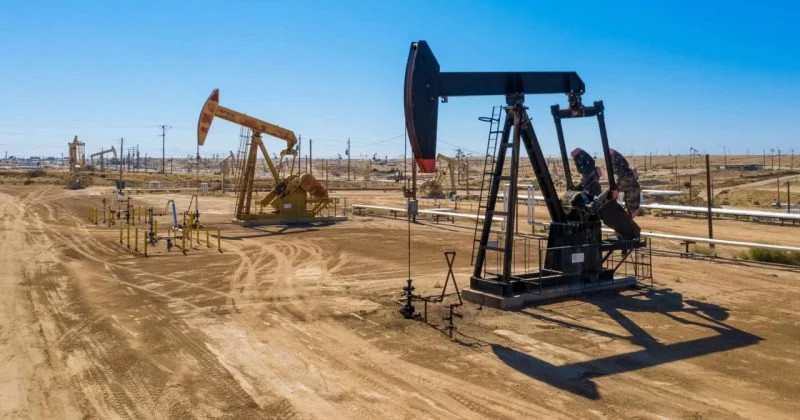
US Fuel Prices Surge Amid Renewed Iran Conflict, Crypto Markets React
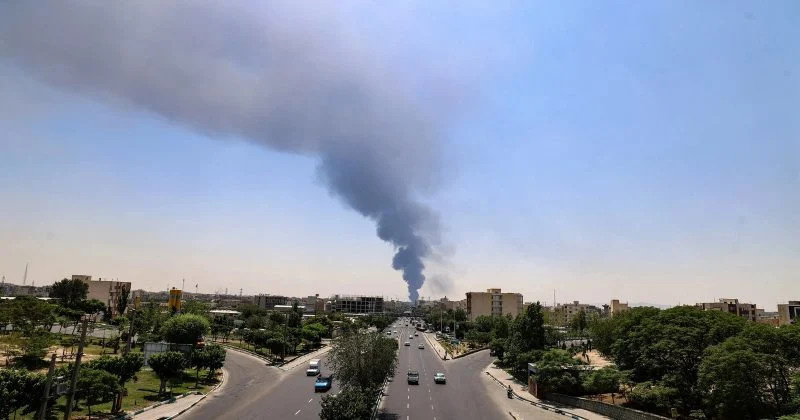
Brent crude oil prices have surged due to escalating hostilities between the US and Iran, recently climbing above $80 per barrel and experiencing spikes of up to 13% during periods of high volatility. The US government has indicated that it will not release crude from the Strategic Petroleum Reserve (SPR), which currently holds approximately 319.5 million barrels, its lowest level since 1983. This decision means consumers are facing the full impact of rising oil prices at the pump without relief from government stockpiles.
The renewed conflict, which saw initial strikes between late February and early March 2026 before a temporary pause, reignited in July with further fighting. The immediate market reaction has been significant, with Brent crude prices jumping 2-4% shortly after each escalation. The Strait of Hormuz, a critical shipping route for about one-fifth of the world’s oil supply, remains a focal point of concern. Increased tensions in this region lead to disrupted shipping routes and rising insurance costs, prompting traders to factor in worst-case scenarios.
Market Reading & Resources
Sponsor funding complete. Trade on.
The SPR's capacity is around 714 million barrels, meaning it is currently less than half full, a situation exacerbated by previous loans and releases exceeding 100 million barrels. As a result, consumers are absorbing the geopolitical risk premiums associated with rising oil prices.
In the cryptocurrency market, Bitcoin's price struggled to maintain levels near $67,000 during the July tensions, and the broader crypto market saw a decline of 1.24% on days marked by heightened oil price volatility. The rise in oil prices has intensified inflation fears, which in turn make central banks less likely to reduce interest rates. This environment of sustained higher rates diminishes the appeal of speculative assets that do not yield returns.
On July 31, 2026, the US Treasury imposed sanctions on companies linked to Iran that were involved in a Bitcoin-accepting maritime insurance scheme related to shipping through the Strait of Hormuz. In response to the uncertain market conditions, traders are increasingly moving into stablecoins and traditional hedges as a defensive strategy. Those remaining in risk assets are closely monitoring diplomatic signals that could lead to de-escalation of the Iran situation, as well as weekly oil inventory data that may indicate a potential price ceiling.