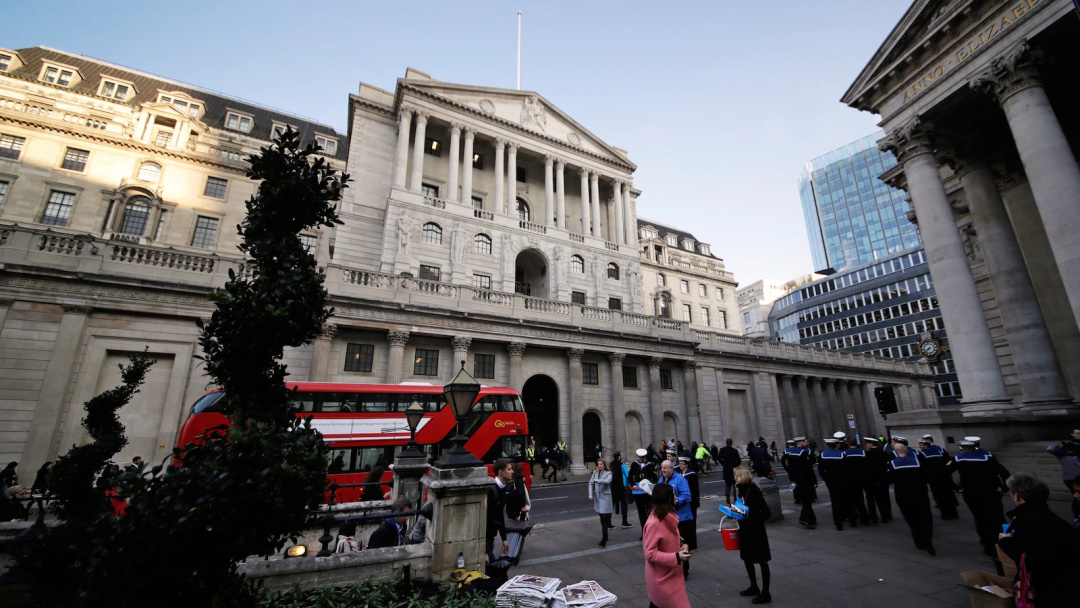
Bank of England Holds Rates Steady Amid Geopolitical Concerns

The Bank of England's Monetary Policy Committee (MPC) has decided to keep the Bank Rate at 3.75%, following a 7-2 vote on June 18. This marks the fourth consecutive meeting at this rate, indicating a notable shift in the committee's stance. Chief Economist Huw Pill and external member Megan Greene were the only dissenters, advocating for a quarter-point increase to 4%.
The Bank Rate previously peaked at 5.25% in August 2023, with the MPC having cut rates by a total of 1.5 percentage points since then. The current hold suggests that the committee is comfortable maintaining this rate for the foreseeable future, despite ongoing inflation pressures stemming from geopolitical tensions in the Middle East, particularly related to energy prices.
Market Reading & Resources
Sponsor funding complete. Trade on.
Pill was the sole dissenter in April 2026, but Greene's recent support for a rate hike indicates a growing concern among some members regarding inflation risks. However, the majority of the committee, including historically hawkish member Catherine Mann, opted to hold steady, suggesting a belief that the inflationary effects from energy prices can be managed without immediate action.
The MPC's decision is influenced by the economic principle that higher interest rates make safer assets like government bonds more appealing compared to riskier investments. When rates are stable or declining, the opportunity cost of holding riskier assets, such as Bitcoin and other cryptocurrencies, diminishes, making them relatively more attractive.
The tightening cycle from 2023 to 2024 has coincided with downward pressure on digital asset prices, while the recent easing from 5.25% to 3.75% has improved conditions for risk assets. The committee's acknowledgment of rising energy prices, particularly those linked to Iran, highlights the complex challenges central banks face, as these shocks can simultaneously increase inflation and hinder economic growth, leading to stagflation.
Despite the MPC's discussions not directly addressing cryptocurrencies or blockchain technologies, the implications of their decisions are significant for digital asset markets. Changes in liquidity conditions, risk appetite, and currency movements are all influenced by the MPC's actions.
Traders should remain vigilant regarding the British pound, as a dovish stance from the Bank of England compared to other central banks, especially the Federal Reserve, could lead to a weaker sterling. Such currency fluctuations often correlate with changes in crypto trading volumes on UK exchanges.
The MPC's language is evolving towards a more data-dependent approach rather than relying on forward guidance, meaning that upcoming inflation reports, employment statistics, and energy price readings will play a crucial role in shaping future monetary policy decisions.