Bank of Japan Raises Rates to 1% for First Time Since 1995
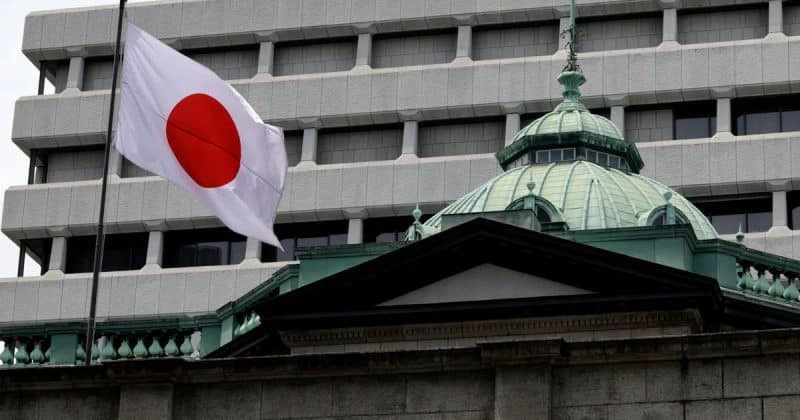
On June 16, the Bank of Japan (BOJ) raised its short-term policy rate by 25 basis points to 1%, marking the highest level since 1995. This adjustment comes after former BOJ executive director Hideo Hayakawa urged the central bank to accelerate its rate hikes to avoid falling behind on inflation. Hayakawa's comments on June 9 suggested that a June hike was imminent, with a potential follow-up increase by October.
The recent rate hike is the first since December 2025, and the BOJ's hawkish language indicates that further tightening may be on the horizon. Hayakawa had previously projected a terminal rate of around 1.5%, suggesting that another 50 basis points of tightening could occur, depending on inflation trends and energy market dynamics.
Market Reading & Resources
Sponsor funding complete. Trade on.
The BOJ's decision is part of a broader normalization journey that began in March 2024, when the bank first raised rates from a long-standing ultra-loose monetary policy. The central bank's focus on energy costs, driven by geopolitical tensions in the Middle East, underscores the persistent inflationary pressures it faces.
Following the announcement, Bitcoin experienced modest gains, a reaction that surprised some market observers. This muted response likely stems from the market having already priced in the hike due to Hayakawa's public statements and the general consensus among analysts. Additionally, the crypto market's relationship with central bank policies has evolved, allowing traders to better anticipate BOJ moves.
As the yen-carry trade continues to influence global financial markets, each BOJ rate hike makes this trade less attractive, potentially reducing liquidity in risk assets. Observers will be closely monitoring the divergence between the BOJ and other major central banks, particularly the Federal Reserve. If the Fed maintains or cuts rates while the BOJ continues to hike, the narrowing interest rate differential could lead to significant market shifts, reminiscent of previous volatility.