ECB's Kazaks Advocates Caution on Future Rate Hikes
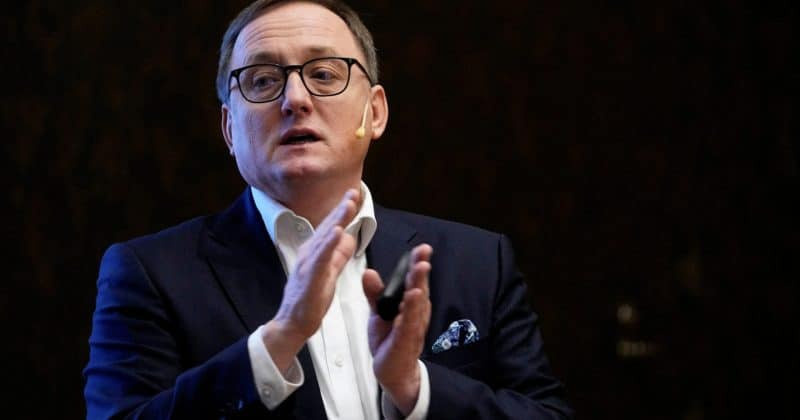
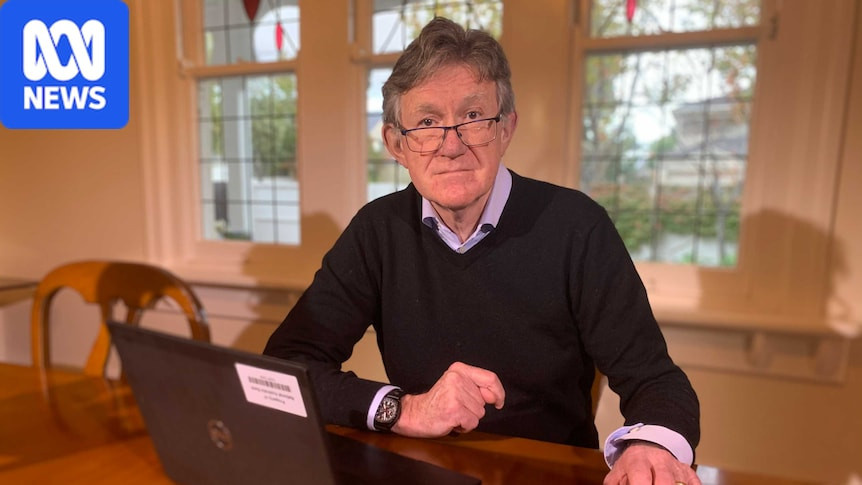
Mārtiņš Kazāks, Governor of the Bank of Latvia and member of the European Central Bank (ECB) Governing Council, expressed a dovish stance regarding future interest rate hikes in an interview with Econostream Media on June 29. He emphasized that there is no need for a rapid succession of rate increases following the ECB's recent hike of 25 basis points on June 11, which was the first increase in nearly three years. This adjustment raised the ECB’s deposit facility rate to 2.25%, effective June 17, with the main refinancing rate now at 2.40% and the marginal lending rate at 2.65%. These rates set the baseline cost of money across the eurozone, impacting the opportunity cost of holding non-yielding assets like Bitcoin and altcoins.
Kazāks highlighted a significant reduction in the likelihood of severe negative economic scenarios, suggesting that the ECB's outlook has improved sufficiently to warrant a more measured approach. Market traders have responded, with expectations for additional ECB hikes in 2026 dropping below 25 basis points. Contributing to this shift are easing oil prices, influenced by better geopolitical relations in the Middle East, which have alleviated some inflationary pressures.
Market Reading & Resources
Sponsor funding complete. Trade on.
The ECB's inflation projections post-hike indicate an average of 3.0% in 2026, 2.3% in 2027, and 2.0% in 2028. Despite this, Kazāks acknowledged that persistent inflation risks remain, largely due to geopolitical tensions and fluctuations in energy costs. His call for a cautious, data-dependent approach leaves the door open for further action if economic conditions change.
In a financial landscape where traditional investments offer risk-free yields above 2%, decentralized lending rates must adjust accordingly, which can compress margins across the cryptocurrency ecosystem. Euro-denominated stablecoins and decentralized finance (DeFi) protocols that depend on euro liquidity may continue to face challenges.
The current market expectation of less than 25 basis points in additional hikes this year alleviates some uncertainty for risk assets. However, Kazāks' data-driven stance indicates that the ECB could reconsider its approach if inflation unexpectedly rises, particularly due to energy shocks or geopolitical disruptions.